
Will a Pull Up Bar Damage Door Frames? Measure First

Search whether a pull up bar damage door frame worries are justified and you get two answers. Equipment sellers say no if you install it properly. The most-read article on the subject says some damage is unavoidable and you should accept it.
Neither camp mentions the number that actually decides it, and it is printed on the product listing.
What Is Actually Carrying Your Weight
The first thing worth getting straight is what the bar hangs on, because most people picture the wrong part.
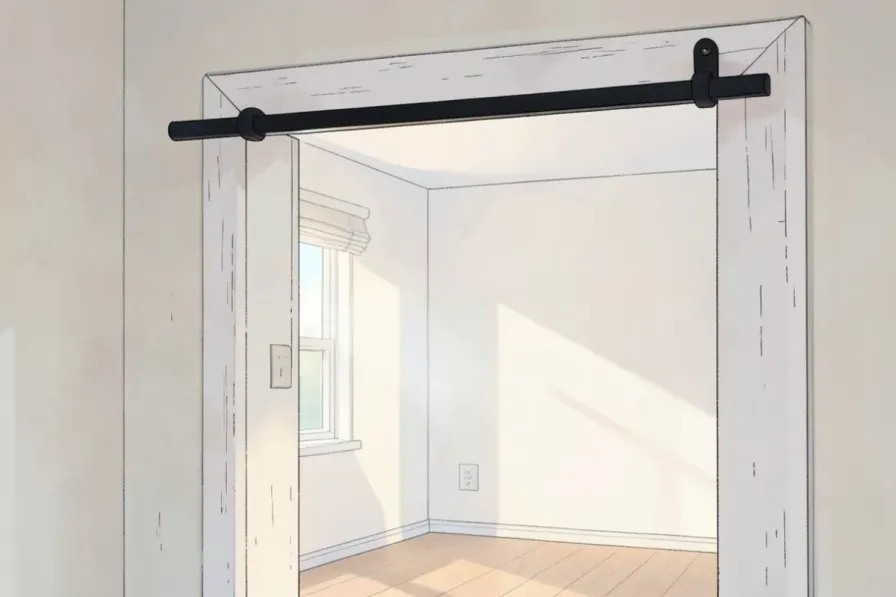
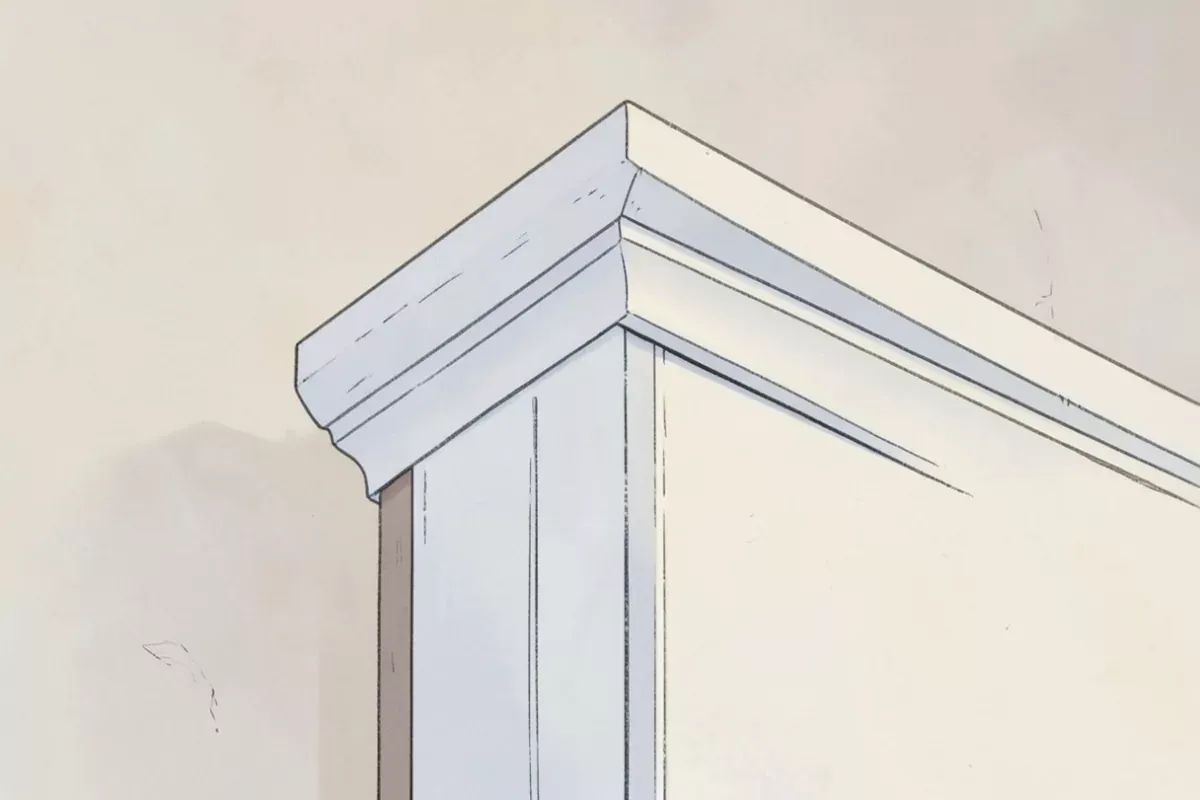
A leverage-style doorway bar does not grip the door frame — the structural timber the door swings against. It hooks over the trim, the decorative moulding nailed around the opening. That strip is cosmetic joinery. It is pinned on with finish nails, and it was never designed to hold a hanging adult.
That distinction explains what people actually report. The frame rarely breaks. The trim dents, the nail heads work loose, and a gap opens between the moulding and the wall.
The counterweight arm that presses against the wall above the door is doing the other half of the work, which is why the depth of that wall section matters as much as the trim.
The Spec Nobody Quotes
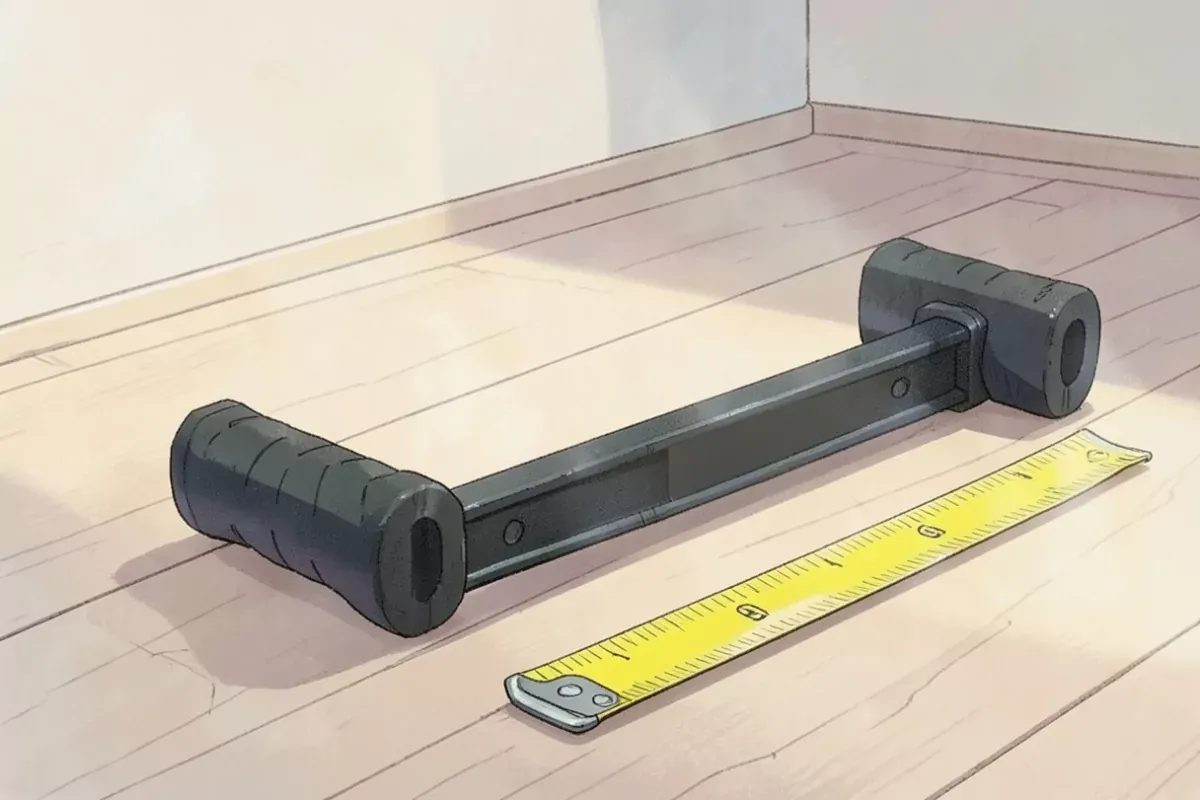
Here is the part that turns an argument into a measurement. The Ally Peaks bar below states its requirements plainly in its own listing:
| Requirement | Stated by the manufacturer |
|---|---|
| Doorway width | 24 to 32 inches |
| Wall depth above the door | 4.7 to 8.27 inches |
| Trim height | up to 3.75 inches |
| Trim thickness | no less than 0.45 inches |
| Maximum load | 440 pounds |
That trim thickness minimum is the whole answer. Standard interior casing in a lot of housing is thinner than that, and thin casing is exactly the case where the moulding gets pulled away rather than merely marked.
So the honest response to whether one of these will wreck your doorway is: measure the trim first. It takes half a minute with a tape measure, and it converts a guess into a yes or no. If your trim is under the minimum, the manufacturer is telling you in advance that it does not fit — which is different from telling you it will be fine.
Two Bar Types, Two Different Failures
The advice online gets muddled because it treats all doorway bars as one product. They fail differently.
Leverage bars hook over the trim and brace against the wall. The load path is body weight pressing down on the top of the moulding. The failure mode is cosmetic and gradual: dents, compressed paint, and over enough time, loosened casing.
Tension bars — the twist-to-tighten kind that wedge inside the opening with no hook over the top — push outward against both sides of the frame. The failure mode there is different and worse. Over-tightened, they can bow the frame itself, and if the friction gives while you are hanging, the bar comes down with you.
The most-read article on this subject notes that twisting-mount bars can bend or break the actual frame when over-tightened, while leverage bars concentrate their damage on the trim. That is the trade you are choosing between: a marked moulding, or a small risk of something structural.
If you rent, the marked moulding is the cheaper problem.
The Weight Ratings Do Not Agree
Worth flagging, because you will see both numbers and they are far apart.
The listing for the doorway bar states a maximum load of 440 pounds, which is about 200 kg. One of the specialist sites ranking for this question puts the practical maximum for a door-mounted bar at around 120 kg, and reserves the higher figures — up to roughly 250 kg — for wall-mounted units.
Both can be true without either party lying, because they are rating different things. A steel tube tested in isolation will take far more than the same tube hooked over painted softwood. The 440-pound figure describes the bar. It does not describe your trim, and your trim is the part that gives.
The practical reading is that neither number is a target to test. If you are near the upper end of either, or you add weight for pull-ups, the wall-mounted route stops being a preference and becomes the sensible option.
How to Stop It Marking the Trim
Three things reduce it, and none require buying an accessory.
Check the contact material. Better bars have replaced foam pads with silicone at the contact points, which spreads the load and does not compress into a permanent dish the way old foam did. The bar below specifies silicone on both contact surfaces.
Put something between the bar and the trim. A folded towel across the top of the moulding does most of what a purpose-made pad would, costs nothing, and takes a second to place.
Take it down between sessions. Almost all the reported damage is from bars left mounted for months. The load is not only your pull-ups — it is the constant static weight of a steel bar hanging on softwood casing, day and night.
What to Buy
As an Amazon Associate I earn from qualifying purchases.
If your trim clears the minimum: the Ally Peaks doorway pull up bar is the volume seller in this category, at 4.4 stars across roughly 13,800 ratings at the time of writing, rated to 440 pounds in 1.7 mm steel with silicone rather than foam at the contact points.
Buy it after measuring, not before. The listing’s own dimensions are above, and it is worth reading them as a compatibility check rather than marketing.
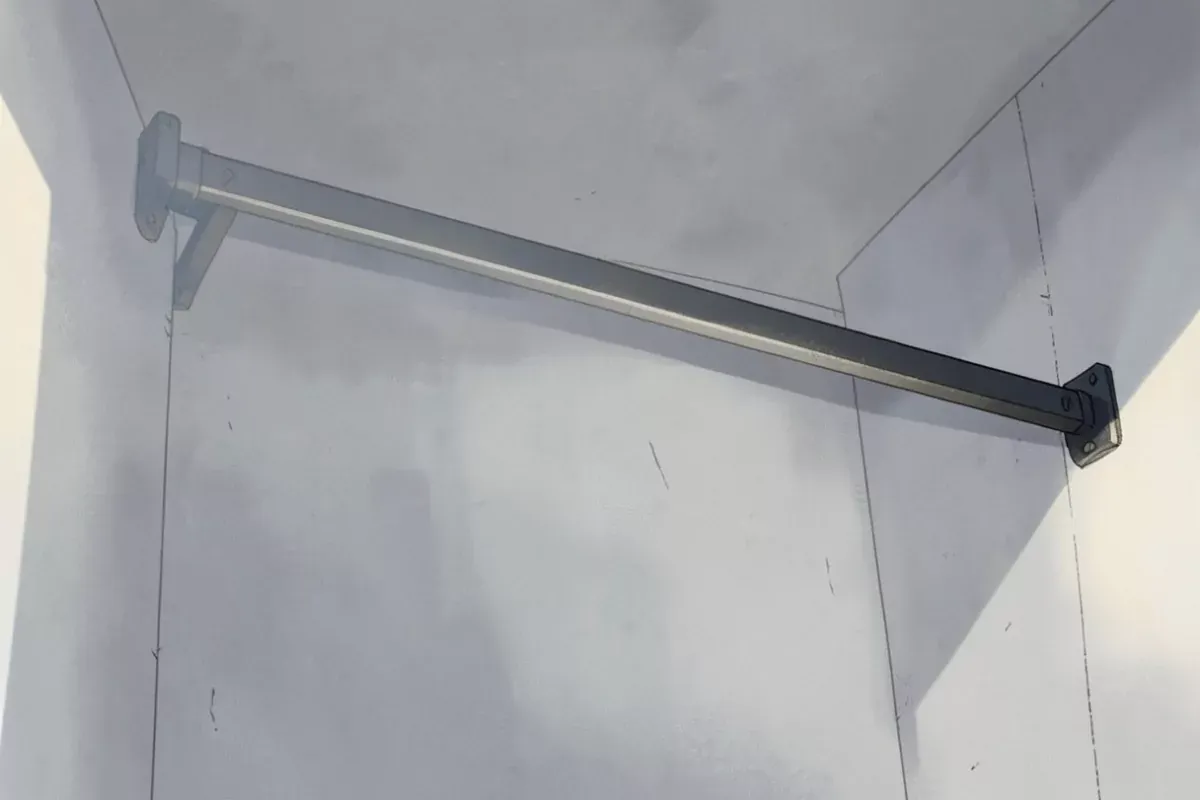
If your trim does not clear it, or you want no marks at all: the wall-mounted pull up bar removes the trim from the equation entirely, since the load goes into the wall rather than the moulding. Also rated to 440 pounds.
Two honest cautions here, and they matter. First, its own listing restricts it to solid masonry — concrete, solid brick, solid tile — and explicitly says not to install it on hollow brick. In a timber-framed house you are into a different anchoring problem, and that is a job for fixings rated for your wall, not the ones in the box. Second, its review base is 377 ratings against nearly 14,000 for the doorway bar, so there is much less evidence behind it.
And the option nobody sells you: if the doorway fails the measurement and you cannot drill, neither of these is right, and rings or a band-based pulling routine will get you further than a bar you cannot mount safely.
Where This Fits
Pulling is only half of an upper body routine, and the pressing half is covered in chest workouts at home. If a bar is out of the question in your space, resistance bands for shoulders covers what bands genuinely do and where they fall short. And for how pull-ups fit a wider programme, compound exercises is the place to start.
One last thing: if you are unsure whether the wall above your door is solid, that is a question for whoever owns the building before it is a question for a drill.
Frequently Asked Questions
Will a pull up bar damage my door frame? It usually marks the trim rather than the frame. A leverage bar hooks over the decorative moulding, which is pinned on with finish nails and was not designed to hold a hanging adult. Whether it is a problem depends on a measurement: the bar reviewed here requires trim at least 0.45 inches thick, and thin casing is where damage happens.
How do I know if a doorway pull up bar will fit? Measure four things before buying. The bar here states 24 to 32 inch doorways, wall depth above the door of 4.7 to 8.27 inches, trim height up to 3.75 inches, and trim thickness of at least 0.45 inches. If your trim is under that minimum, the manufacturer is saying in advance that it does not fit.
Which is safer, a leverage bar or a tension bar? They fail differently. Leverage bars hook over the trim and cause gradual cosmetic damage — dents and loosened casing. Tension bars wedge inside the opening and, over-tightened, can bow the frame itself or slip while you are hanging. For a rented flat, the marked moulding is the cheaper failure.
How do I stop a pull up bar marking the door frame? Put a folded towel across the top of the moulding, prefer a bar with silicone rather than foam at the contact points, and take it down between sessions. Most reported damage comes from bars left mounted for months, where the static load sits on softwood casing continuously rather than only during sets.
Is a wall mounted pull up bar better? It removes the trim from the load path, which solves this specific problem. But it carries its own requirement: the model here specifies solid masonry and explicitly warns against hollow brick. In a timber-framed house you need fixings rated for that wall rather than the anchors supplied.
How much weight can a doorway pull up bar hold? The bar discussed here is rated to 440 pounds, and comparable wall-mounted units carry the same rating. The limit that matters in practice is not usually the steel — it is what the trim or the wall behind it will take, which is why the dimensional requirements exist.
Evandro
Evandro is the founder of The Fitness Road. He believes that without physical activity there is no real health, and without health, there is no lasting discipline in any other area of life.
Leave a Reply
Your email address will not be published. Required fields are marked *