Cold Plunge for Muscle Recovery: 20-30% Less Soreness

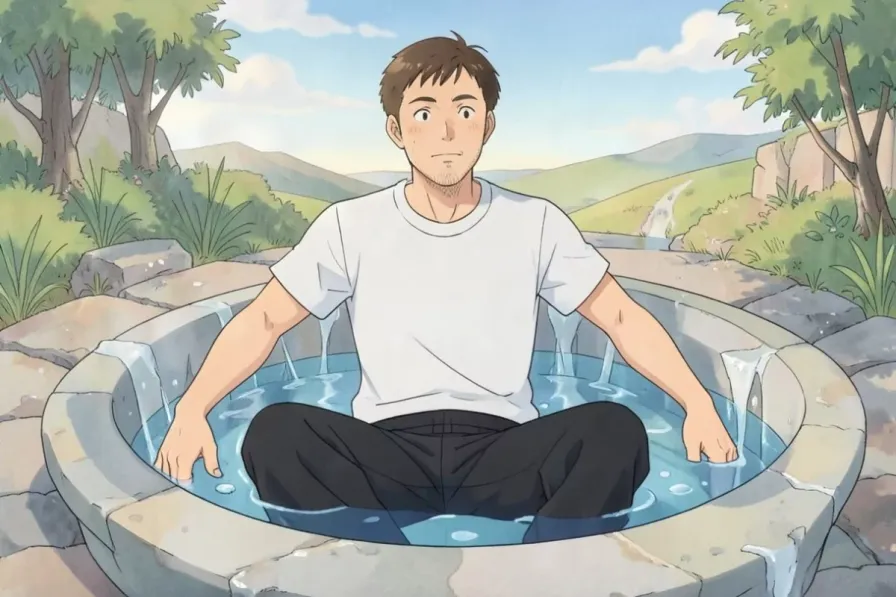
You just finished a brutal leg day, and there’s a tub of ice-cold water waiting for you, either at your gym, a recovery studio, or one you filled yourself in the garage. Cold plunging has gone from a niche habit for elite athletes to something regular gym-goers do religiously, convinced it’s speeding up recovery and helping them come back stronger for the next session. It’s also one of the most-searched recovery topics in fitness right now, which means a lot of the advice floating around is thin, repetitive, or written to sell a tub rather than explain the research.
This guide goes further than the usual “cold plunges reduce soreness” summary. It breaks down what the actual studies show about using a cold plunge for muscle recovery: soreness reduction, the hypertrophy tradeoff, how often to actually do it, how it stacks up against ice baths and cold showers, and the specific temperature, duration, and timing choices the evidence supports.
What Cold Plunging Actually Is
Cold plunging, also called cold water immersion (CWI), means submerging your body, usually from the neck or shoulders down, in water somewhere between 39 and 59 degrees Fahrenheit (4 to 15 degrees Celsius) for a set period of time, typically a few minutes up to around 15. It overlaps heavily with what’s traditionally called an ice bath, though “cold plunge” has become the more common term now that dedicated tubs and chillers have made the practice more accessible outside of pro sports facilities.
The physiological response is the same regardless of what you call it or what container you use: your blood vessels constrict sharply (vasoconstriction), your heart rate and breathing rate spike in the first seconds, and your body starts working hard to keep your core temperature up. Once you get out and start rewarming, those same blood vessels rapidly dilate again, a rebound in circulation that some researchers believe helps flush metabolic waste out of recently worked muscle tissue. That combined response, constrict then rebound, is what researchers have actually been studying to figure out what cold plunging does for recovery, soreness, and long-term muscle adaptation.

How Cold Plunging Reduces Muscle Soreness
This is the part of the research that holds up the most consistently. A 2025 network meta-analysis pooling 55 randomized controlled trials and more than 1,100 participants compared six different cold water immersion protocols against passive recovery for exercise-induced muscle damage. The study, published as a network meta-analysis of dose-response effects, found that medium-duration, medium-temperature immersion, 10 to 15 minutes at 11 to 15 degrees Celsius, ranked highest for reducing soreness specifically, while slightly colder water in the 5 to 10 degree Celsius range ranked highest for lowering creatine kinase (a blood marker of muscle damage) and preserving next-day jump performance. Independent reviews summarizing this body of research consistently report roughly a 20 to 30 percent reduction in perceived soreness when cold water immersion is used within a few hours of hard training, compared to doing nothing at all.
The mechanism is straightforward: the vasoconstriction triggered by cold water limits swelling and the buildup of inflammatory fluid in damaged muscle tissue right after exercise, which is a big part of what makes the day or two after a hard workout feel so uncomfortable. Less swelling generally translates to less perceived soreness, and the effect shows up reliably enough across dozens of independent trials that it’s not reasonably explained away as a placebo response to shocking cold water.
The Catch: Cold Plunging Can Blunt Muscle Growth
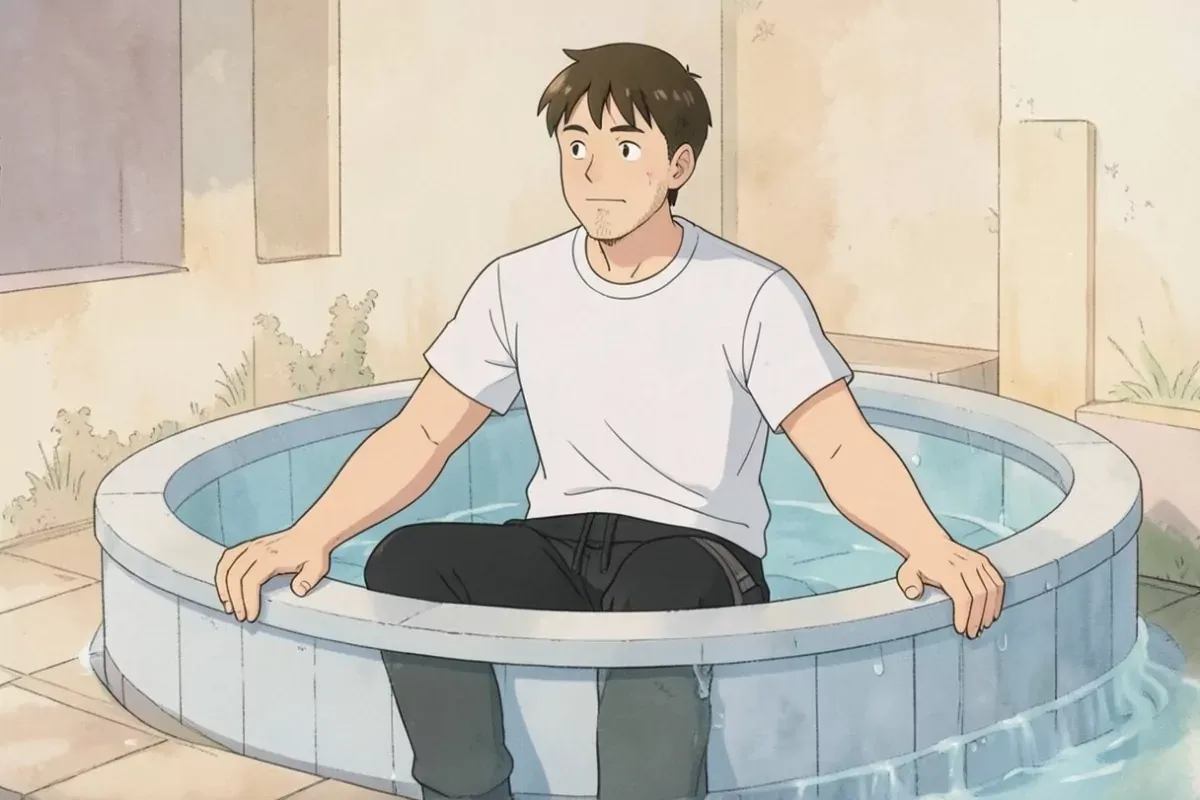
Here’s the part that rarely makes it into cold plunge marketing. A study published in the Journal of Applied Physiology had 16 men strength train 3 days a week for 7 weeks, immersing one leg in 10-degree-Celsius water for 15 minutes after every single session while the other leg simply rested at room temperature. Both legs gained strength at a similar rate. But type II muscle fiber cross-sectional area, the actual size of the fast-twitch fibers most responsible for visible muscle growth, grew noticeably less in the cold-plunged leg.
This lines up with earlier work from the same research group, a study published in The Journal of Physiology, which found that post-exercise cold water immersion dampened the acute anabolic signaling pathways your muscles rely on to build new tissue after training. A broader 2024 systematic review and meta-analysis in the European Journal of Sport Science pulled these findings together across multiple studies and concluded that cold water immersion doesn’t completely prevent muscle growth, but it does likely blunt it to at least a small degree, most plausibly through reduced blood flow and a dampened inflammatory response right when your muscles need that signal to start rebuilding. Practically, this only matters when cold water immersion happens close in time to a resistance session aimed at building size; the effect hasn’t been shown for cardio, sport practice, or general conditioning work.
When to Cold Plunge (and When to Skip It)
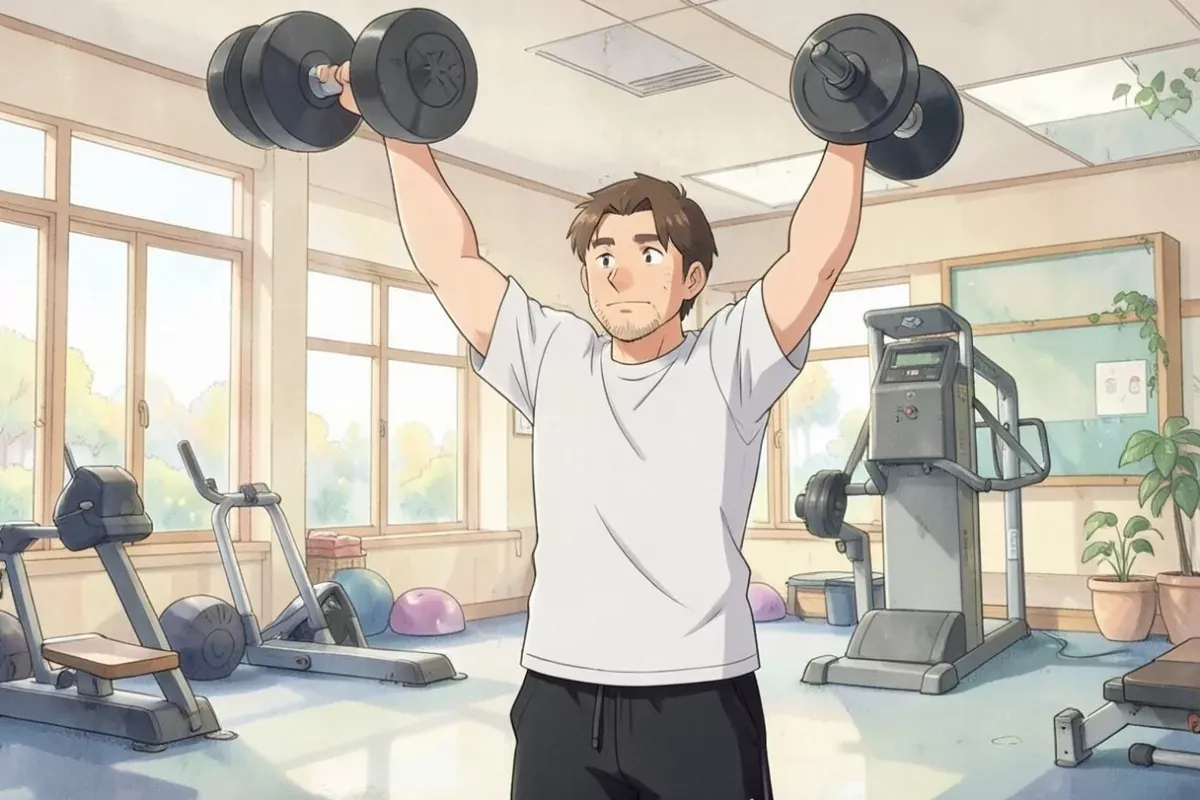
The practical takeaway isn’t “never cold plunge,” it’s “match the timing to your actual goal that week.” If your priority right now is building muscle, the evidence points toward skipping cold plunges immediately after resistance training, or at minimum pushing them back four or more hours so the anabolic signaling window has already done its job before you dampen it with cold water.
If you’re not chasing hypertrophy at that particular moment, competing in a tournament with same-day or next-day matches, training through a high-fatigue block, or just trying to feel less wrecked after a hard session, cold plunging works fine and the soreness-reduction benefits apply without the growth tradeoff being especially relevant. This is exactly why you’ll see cold plunges used so heavily around competition weekends and multi-day tournaments: athletic readiness for the next match, not maximizing muscle growth, is the actual goal on those days.
How often should you cold plunge? There’s no universal number, but the research gives a reasonable range to work from. Athletes in soreness-focused studies typically plunge after their hardest 2 to 4 sessions per week, not every single day, since daily cold exposure on top of a hypertrophy-focused program compounds the growth-blunting effect described above. A practical approach that fits most lifters: reserve cold plunging for your highest-fatigue days, competition or event weeks, and dedicated recovery days, while leaving it out after the 1 or 2 sessions each week where building muscle is specifically the point.
The Right Temperature and Duration
| Goal | Temperature | Duration |
|---|---|---|
| Reducing soreness (DOMS) | 11-15°C (52-59°F) | 10-15 minutes |
| Lowering damage markers / jump performance | 5-10°C (41-50°F) | 10-15 minutes |
| First few sessions / building tolerance | Warmer end, 15°C+ | 3-5 minutes |
| Any protocol | — | Rarely exceed 15 minutes |
Most people should start on the warmer, shorter end of this range and build up gradually rather than jumping straight into the coldest tub they can find for the full 15 minutes. Staying in longer than about 15 minutes hasn’t been shown to meaningfully improve outcomes in the research, and it does increase the risk of your core body temperature dropping too far, which is a real safety concern, not just a comfort issue. Going below roughly 4 degrees Celsius (39°F) doesn’t appear to add extra benefit either; it mostly just makes the session harder to tolerate and raises the risk of overcooling for no measurable gain.

Cold Plunge vs. Ice Bath vs. Cold Shower
These terms get used almost interchangeably, but the practical difference comes down to how cold the water gets, how much of your body it covers, and how consistently you can reproduce it. A dedicated cold plunge tub, whether it’s a chiller-equipped unit or a bathtub packed with ice bags, can reliably hit the 5 to 15 degree Celsius range used in research, submerging your torso and legs at once. A cold shower, by comparison, rarely gets colder than about 15 to 18 degrees Celsius depending on your home’s water supply, and it only hits one side of your body at a time as you turn under the stream, so it delivers a milder, less standardized version of the same vasoconstriction response.
If you’re building your own setup instead of buying a dedicated chiller tub, a large tub or trough filled with cold tap water and several bags of ice gets you into the effective range for most home use, and a cheap pool thermometer is worth the few dollars it costs to actually know what temperature you’re training in rather than guessing. Contrast therapy, alternating cold plunge with a hot tub or sauna session, is popular in some recovery circles, but the research specifically supporting alternating temperatures over cold alone is thinner and less consistent than the CWI research on its own, so treat it as a comfort preference rather than a proven upgrade.
None of this means a cold shower is useless. It’s a realistic, free entry point for people who want the general circulation and alertness benefits without investing in a tub or ice, and it’s a reasonable way to build tolerance before trying a full cold plunge. Just don’t expect it to match the soreness-reduction numbers from studies that used genuine cold water immersion at controlled temperatures.
Who Should Be Cautious With Cold Plunging
The cold shock response, the involuntary gasp and rapid breathing that hits in the first several seconds of cold immersion, is the most immediate risk, since it can cause someone to accidentally inhale water if they’re alone and unprepared, especially in open water rather than a controlled tub. Easing in gradually and never doing your first few sessions alone or unsupervised is a simple, effective precaution.
People with uncontrolled high blood pressure, existing heart conditions, or Raynaud’s syndrome should talk to a doctor before starting, since the sharp vasoconstriction and heart rate spike triggered by cold water put real, measurable stress on the cardiovascular system. This caution applies specifically to anyone on beta blockers or other heart medication as well, since these can blunt the body’s normal compensatory response to sudden cold. Pregnant people should also check with their doctor first, since the research on cold water immersion during pregnancy is limited. None of this means cold plunging is dangerous for healthy adults who ease into it sensibly, but it isn’t a completely risk-free habit either.
Common Mistakes People Make With Cold Plunging
Doing it religiously after every single workout, regardless of whether muscle growth is the goal that week, is probably the most common mistake, since it quietly works against hypertrophy on exactly the days it matters most. Assuming colder and longer is automatically better is another one; the research doesn’t support pushing past 15 minutes or below roughly 4 degrees Celsius, and the coldest available temperature isn’t necessarily the best choice if soreness reduction and comfort are your actual priority.
Skipping the gradual buildup is a mistake beginners make often, jumping straight into a 15-minute session at the coldest setting because that’s what they saw an influencer do, rather than starting with a shorter, warmer session and working up over a few weeks as tolerance improves. Some people also cold plunge as a substitute for actual recovery basics, sleep, protein intake, and manageable training volume, then wonder why they still feel beat up despite a daily ice bath habit. Cold plunging is a supplementary tool that can meaningfully reduce soreness and support recovery between hard sessions, not a replacement for the fundamentals that do the majority of the actual recovery work.
How Cold Plunging Compares to Other Recovery Tools
It’s worth placing cold plunging next to the other recovery habits people reach for, since it’s solving a narrower problem than most of them, including something as simple as a post-workout recovery drink that covers the nutrition side cold exposure doesn’t touch at all. Tart cherry juice works through a completely different mechanism, anthocyanins that reduce oxidative stress and support sleep, and doesn’t carry the same hypertrophy-blunting tradeoff, which makes it a reasonable option on days when muscle growth is still the priority. If general soreness after hard training sessions is what’s bringing you here in the first place, our full breakdown of DOMS muscle soreness covers why it happens and what actually speeds it up beyond just cold exposure.
Cold plunging also isn’t a fix for chronic overreaching. If you’re dealing with stalled lifts, persistent fatigue, and mood changes that don’t improve with a single ice bath, that’s a different problem, and our guide on signs of overtraining walks through what actually needs to change. Used with the right timing and frequency, cold plunging is a genuinely useful tool in a broader recovery routine. Used as a daily habit regardless of your training goal that week, it can quietly cancel out some of the progress you’re working for.
The Bottom Line
Cold plunging is one of those recovery tools where the marketing oversimplifies real, mixed research. It reliably reduces muscle soreness by roughly 20 to 30 percent and can support recovery between demanding sessions, backed by dozens of controlled trials, at 10 to 15 minutes in roughly 5 to 15 degrees Celsius water, used 2 to 4 times a week on your hardest training days. But the same cold exposure that calms soreness also dampens the anabolic signaling your muscles rely on to grow, especially when it’s done right after a resistance training session aimed at building size. The fix isn’t avoiding cold plunging altogether, it’s being intentional about when and how often you use it: freely on recovery days, competition days, or high-fatigue stretches, and pushed back several hours or skipped on the sessions where muscle growth is genuinely the goal.
Frequently Asked Questions
Does a cold plunge actually reduce muscle soreness? Yes, and this is the part of the research that’s genuinely consistent. A 2025 network meta-analysis covering 55 randomized trials and over 1,100 participants found that cold water immersion reliably reduces delayed onset muscle soreness (DOMS) compared to passive recovery, with the biggest comfort-adjusted benefit coming from 10 to 15 minutes at a moderate 11 to 15 degrees Celsius (about 52 to 59 degrees Fahrenheit). It won’t eliminate soreness entirely, but the reduction is real and reproducible across studies, not just a placebo effect from the shock of cold water.
Does cold plunging block muscle growth? It can, specifically when it’s done right after a resistance training session aimed at building muscle. A controlled study following lifters for 7 weeks found that plunging one leg in 10 degree Celsius water for 15 minutes after every session blunted type II muscle fiber growth compared to the leg that just rested, even though strength gains were similar between both legs. The mechanism seems to be reduced blood flow and dampened anabolic signaling right when your muscles need that response most. This doesn’t mean cold plunging is bad, it means the timing matters if hypertrophy is your main goal.
What temperature and how long should you cold plunge? Most research lands in the 50 to 59 degree Fahrenheit range (10 to 15 degrees Celsius) for 10 to 15 minutes. Slightly warmer water in that range is best for soreness and comfort, while colder water toward 5 to 10 degrees Celsius edges out slightly better results for biochemical damage markers and next-day jump performance, at the cost of being noticeably harder to tolerate. Staying in longer than 15 minutes hasn’t been shown to add meaningful benefit and raises the risk of overcooling, so more is not better past that point.
How often should you cold plunge for muscle recovery? Most research protocols use cold water immersion after the hardest 2 to 4 training sessions per week, not daily, since stacking cold exposure on top of every single hypertrophy-focused workout compounds the growth-blunting effect. A practical rule most lifters can follow: use it after your highest-fatigue sessions, during competition or event weeks, and on dedicated recovery days, and leave it out after the 1 or 2 sessions each week where building muscle is specifically the goal.
Are there any risks to cold plunging? The biggest immediate risk is the cold shock response, a reflex gasp and rapid breathing that happens in the first seconds of cold immersion, which is why you should never enter a cold plunge alone for your first few sessions or go straight to the coldest, longest protocol. People with uncontrolled high blood pressure, heart conditions, Raynaud’s syndrome, or who are pregnant should talk to a doctor before starting, since the sudden vasoconstriction and spike in heart rate put real stress on the cardiovascular system.
Keep reading: if the soreness that sent you looking for a cold plunge is the real issue, our guide on DOMS muscle soreness causes and recovery covers the full picture of why it happens and what actually speeds it up. And if tart cherry juice’s recovery benefits without the growth tradeoff sound more useful for your current training phase, check out our breakdown of tart cherry juice for muscle recovery.
Follow us on Facebook, TikTok, YouTube, and Pinterest for more no-nonsense fitness tips.
Evandro
Evandro is the founder of The Fitness Road. He believes that without physical activity there is no real health, and without health, there is no lasting discipline in any other area of life.
Leave a Reply
Your email address will not be published. Required fields are marked *