Water Weight vs Fat Loss: How to Tell the Difference

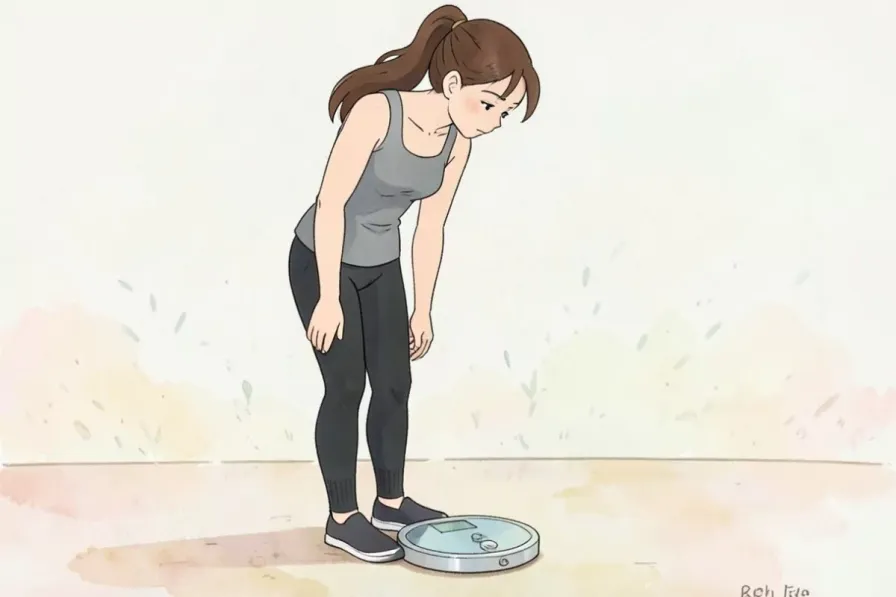
The scale drops five pounds in three days and it feels like a miracle. Then it creeps back up just as fast, and the frustration sets in. Here is what almost nobody explains clearly: that swing was never fat, and understanding water weight vs fat loss is the single easiest way to stop a normal, harmless fluctuation from wrecking your motivation.
This guide breaks down exactly how to tell water weight and fat loss apart, why the first week of any diet lies to you, what actually causes water retention, and how to read the scale without losing your mind over normal daily swings.
What Water Weight and Fat Actually Are
Water weight is exactly what it sounds like, excess fluid sitting in your tissues, blood vessels, and the spaces between cells. Your body is constantly adjusting how much water it holds based on sodium intake, hormones, stress, and how much carbohydrate you have eaten recently. None of this water is fat, and none of it represents a real change in your body composition.
Body fat is stored energy, held in fat cells throughout your body, both just under the skin and, in smaller amounts, around internal organs. Unlike water, fat does not shift in a day. Losing real fat requires a sustained calorie deficit over time, and your body releases it slowly and consistently rather than in dramatic overnight swings.

Water Weight vs Fat Loss: How to Actually Tell Them Apart
Speed is the single best clue you have, and it is almost always enough on its own. Water weight moves fast. A three-pound jump or drop within a day or two, especially after a salty meal, a long flight, a new workout, or a woman’s hormonal cycle, is water, full stop. Real fat loss does not work that way. It shows up gradually, typically 0.5 to 1 kilogram, roughly 1 to 2 pounds, per week at a realistic, sustainable pace.
Location is the second clue. Water retention tends to show up in specific, recognizable places, puffiness around the face, swollen fingers, ankles that leave a sock-mark, or a stomach that feels tight and bloated rather than soft. Fat is distributed more evenly across your usual problem areas and does not create that sudden puffy or swollen feeling.
Duration is the third clue. Water weight is temporary by definition. It shows up because of a specific trigger and resolves once that trigger passes, usually within a few days. Fat loss is a durable change. Once it’s gone, it stays gone as long as you do not rebuild the calorie surplus that created it in the first place.
Water Weight vs Fat Loss at a Glance
| Question | The honest answer |
|---|---|
| How fast does it change? | Water: within hours to days. Fat: over weeks |
| How much can shift at once? | Water: 1 to 5 lbs. Fat: 1 to 2 lbs per week, max |
| Where does it show up? | Water: face, fingers, ankles, bloated stomach. Fat: evenly distributed |
| Does it come back fast? | Water: yes, easily. Fat: only with a real calorie surplus |
| What actually causes it? | Sodium, hormones, stress, glycogen and carb intake |
| Does it mean your diet failed? | No, water weight is normal and expected, not a setback |
Keep this table in mind the next time the scale jumps around unexpectedly. If the change doesn’t match the fat loss column, it’s water, not a setback.
Why the First Week of Any Diet Lies to You
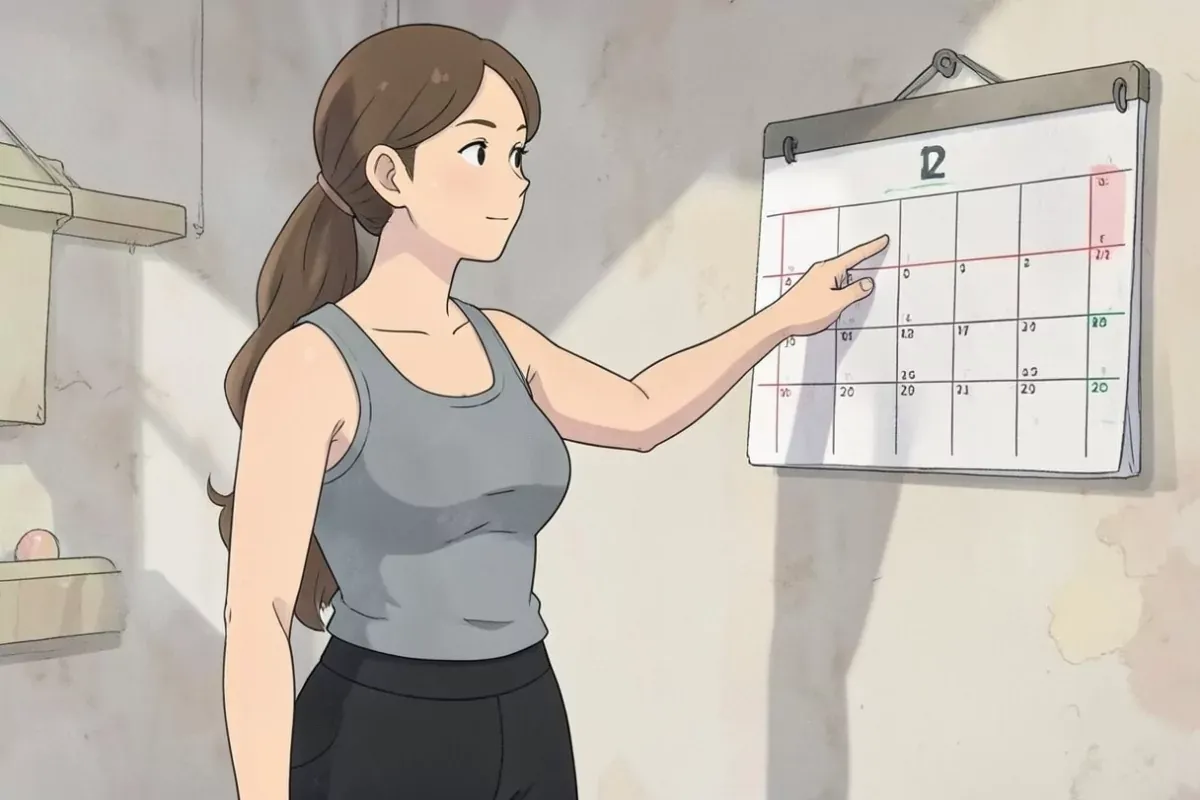
This is the single most common source of confusion around water weight vs fat loss, and understanding it will save you a lot of unnecessary disappointment later. When you cut carbohydrates or overall calories, your body starts burning through its stored glycogen, the form your muscles and liver use to store carbs for quick energy.
Here is the part that matters: each gram of glycogen is stored bound to roughly 3 grams of water. So when you burn through, say, 400 grams of glycogen in your first week of a new diet, you are also releasing over a kilogram of water right along with it. That combined glycogen-and-water loss is exactly why the first week of nearly any diet shows a dramatic drop that no later week ever matches, even when your actual fat loss rate stays perfectly consistent the whole time.
This is not a bad thing, and it is not cheating. It is just biology. The mistake is expecting that same rate of loss to continue, then feeling like you have failed when week two shows a much smaller number.
What Actually Causes Water Retention
A handful of everyday factors drive most water weight fluctuations, and none of them involve fat at all.
Sodium intake. Your body holds onto extra water to keep the concentration of sodium in your blood balanced. A salty restaurant meal or a bag of chips can easily add a pound or two of water weight by the next morning.
Hormonal changes. For many women, the days leading up to a period bring genuine, measurable water retention driven by shifting estrogen and progesterone levels, often adding 2 to 5 pounds temporarily.
New exercise routines. Starting a new workout program causes small tears in muscle tissue, and your body sends extra fluid to the area as part of the repair process. This is a completely normal, healthy response, not a sign anything is wrong.
Stress and poor sleep. Elevated cortisol from chronic stress or inadequate sleep can cause your body to retain more fluid than usual.
Dehydration, ironically. When you don’t drink enough water, your body tends to hold onto whatever fluid it has as a protective measure, which can paradoxically make you retain more water, not less.
How to Read the Scale Without Losing Your Mind
The single best fix for water weight confusion is changing how often and how you weigh yourself. Daily weigh-ins are genuinely useful, but only if you look at the weekly trend line rather than reacting to any single day’s number.
Weigh yourself first thing in the morning, after using the bathroom and before eating or drinking anything, for the most consistent daily comparison. Then average out your weight across each full week and compare that average to the previous week’s average. This one change alone eliminates almost all the frustration caused by water weight vs fat loss confusion, because daily noise gets smoothed out and the real trend becomes obvious.
Track more than the scale, too. Waist measurements, progress photos taken in consistent lighting, and how your clothes fit are all far more honest indicators of actual fat loss than any single day on the scale, since none of them are affected by short-term water shifts the way body weight is.
Common Mistakes People Make
When it comes to water weight vs fat loss, the most common mistake is panicking over a normal overnight fluctuation and making a drastic, unnecessary change to an otherwise working diet plan. A second is quitting a diet in the second week because the dramatic first-week drop doesn’t repeat, not realizing that first week included a one-time glycogen-and-water flush that skewed expectations. A third is weighing in inconsistently, at different times of day or after wildly different meals, which makes day-to-day comparisons meaningless. And a fourth is ignoring non-scale signs of progress entirely, missing real fat loss because the number on the scale stayed flat during a week of heavy water retention.
Where This Actually Matters for Your Progress
Understanding water weight vs fat loss will not make you lose fat any faster, but it will stop normal, harmless fluctuations from derailing a plan that is actually working. The fundamentals that drive real fat loss remain the same regardless: a consistent calorie deficit, enough protein, regular movement, and enough sleep. Water weight is just noise sitting on top of that real signal, and learning to filter it out is what keeps people consistent long enough to see the fat loss that was happening the entire time.
Frequently Asked Questions
How can I tell if I lost water weight or fat? Speed is the biggest clue. If the scale drops fast, 1 to 3 pounds in a day or two, it’s almost always water. Real fat loss shows up gradually, usually 0.5 to 1 kg (1 to 2 pounds) per week, and comes with visible changes like a smaller waist and better muscle definition over time.
Why do I lose so much weight in the first week of a diet? When you cut carbs or calories, your body burns through stored glycogen for energy, and each gram of glycogen releases about 3 grams of water. That combined water and glycogen loss is why the first week of almost any diet shows a bigger drop than any week after it.
Does drinking more water help you lose water weight? Somewhat counterintuitively, yes. When you are dehydrated, your body tends to hold onto water as a protective response. Drinking enough water regularly signals your body that it does not need to retain extra fluid, which can actually reduce puffiness and bloating.
How long does water weight take to go away? Most short-term water weight, from a salty meal, travel, or hormonal changes, resolves within 24 to 72 hours once the trigger passes. Water retention from starting a new diet or exercise routine can take 1 to 2 weeks to fully stabilize as your body adjusts.

The Bottom Line
Water weight vs fat loss comes down to one simple test: speed. Fast, dramatic swings are water. Slow, steady progress over weeks is fat. The scale will always bounce around day to day because of sodium, hormones, glycogen, and stress, and none of that reflects a failure on your part. Weigh in consistently, track your weekly average instead of daily numbers, and let the honest, gradual trend line tell you the real story.
References
Two things worth anchoring before any specific diet approach: weight loss runs on an energy deficit, and a realistic first target is around 5% of bodyweight over six months.
- National Institute of Diabetes and Digestive and Kidney Diseases (NIH). Treatment for Overweight and Obesity — losing 5% of bodyweight over 6 months is a reasonable initial goal. NIDDK
- U.S. Department of Health and Human Services. Physical Activity Guidelines for Americans, 2nd edition — 150–300 minutes of moderate activity per week. health.gov
Keep reading: for the fundamentals that actually drive lasting fat loss, check out our guides on 7 scientifically proven ways to lose weight and how to lose belly fat. And if you’re not sure where to start, our guide on how to start losing weight covers the basics.
Follow us on Facebook, TikTok, YouTube, and Pinterest for more no-nonsense fitness tips.
Evandro
Evandro is the founder of The Fitness Road. He believes that without physical activity there is no real health, and without health, there is no lasting discipline in any other area of life.
Leave a Reply
Your email address will not be published. Required fields are marked *