Pilates vs Yoga for Weight Loss: What Each One Does

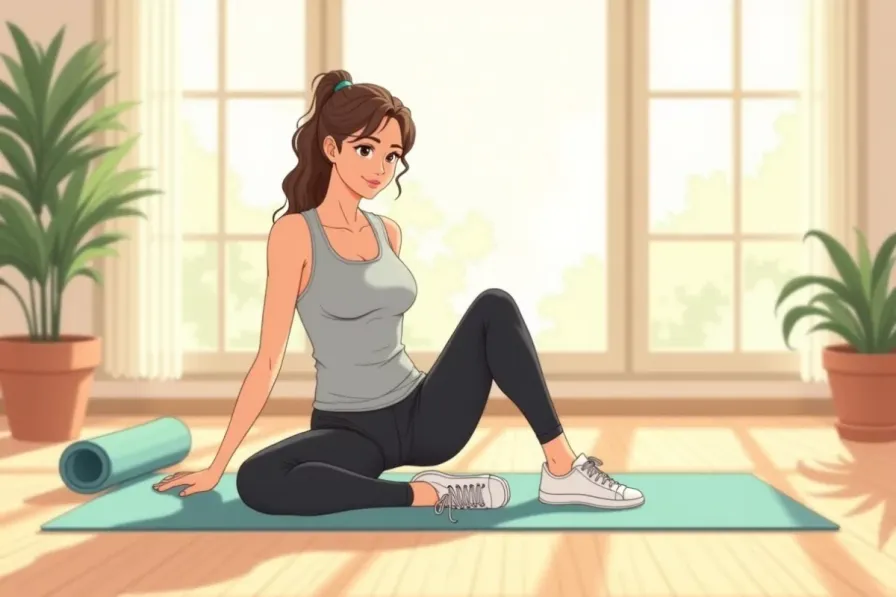
Pilates vs yoga for weight loss is one of those debates that gets people weirdly heated, usually by folks trying to sell you on one or the other. The honest answer is less dramatic than the marketing: both can help you lose weight, both build a stronger body, and the one that actually works is the one you’ll keep showing up for. But they are genuinely different, and knowing how they differ helps you pick the one that fits your body, your goals, and your patience.
Here’s the no-hype breakdown of how they really compare, what the research actually says, and how to choose.
The Quick Answer
Neither pilates nor yoga is a pure fat-burning machine on its own, but both support weight loss in different ways. Pilates builds lean muscle and core strength that slightly raises your resting metabolism, while yoga burns calories during faster-paced sessions and lowers stress, which helps curb emotional eating. For weight loss specifically, pilates has a small edge on muscle tone, and yoga has the edge on stress and consistency.
Pilates vs Yoga at a Glance
| Pilates | Yoga | |
|---|---|---|
| Main focus | Core strength, muscle control, posture | Flexibility, balance, breath, stress relief |
| Calories per hour | ~175-375 | ~180-460 (Vinyasa/Power higher) |
| Builds muscle tone | Strong yes, especially core and legs | Moderate, mostly bodyweight holds |
| Stress reduction | Some, through focused breathing | Strong, a core part of the practice |
| Best styles for weight loss | Reformer, mat with progression | Vinyasa, Power, Ashtanga |
| Learning curve | Moderate, precise movements | Gentle to moderate depending on style |
| Equipment needed | Mat (or reformer at a studio) | Just a mat |
What Pilates Actually Does
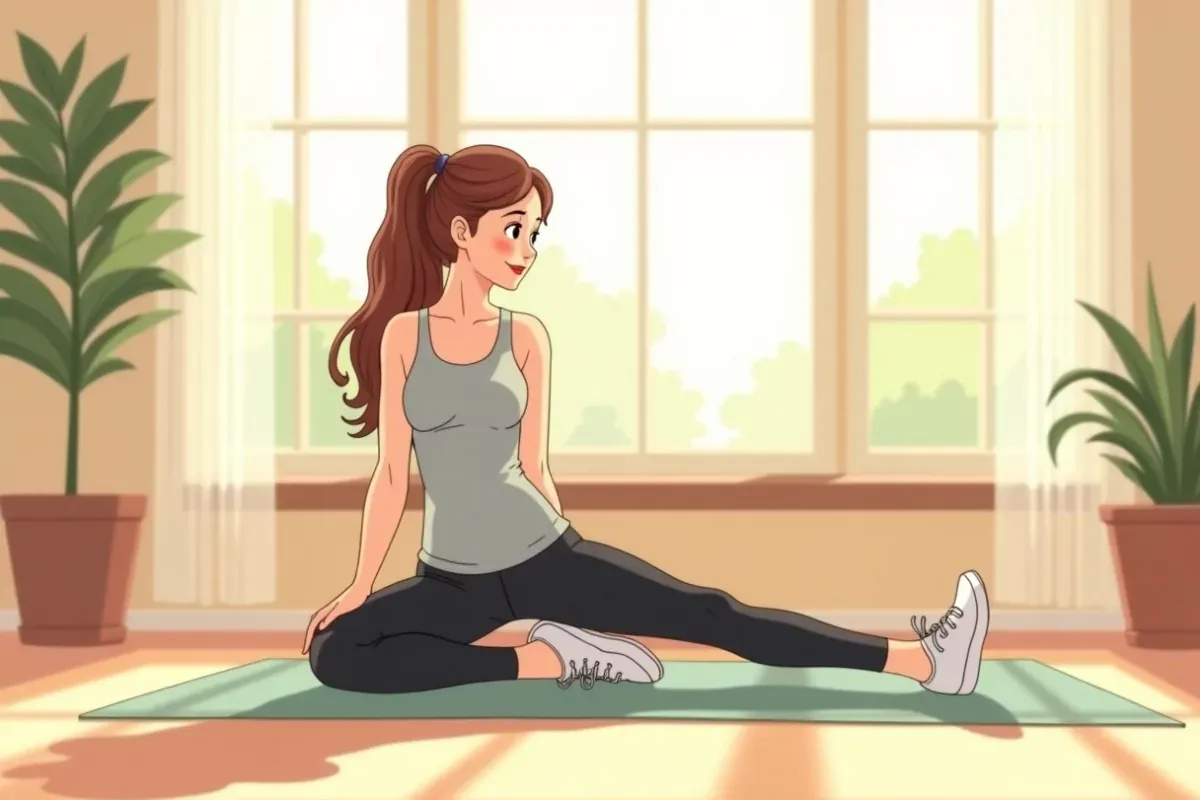
Pilates is a low-impact method built around controlled, precise movements that target your core, hips, and postural muscles. It was created by Joseph Pilates in the early 20th century as a rehabilitation system, and that origin still shows: every movement is about control and alignment rather than speed or sweat.
For weight loss, pilates works mostly through body composition. It builds lean muscle, especially in your deep core and legs, and muscle tissue burns more calories at rest than fat does. So while a single pilates session might not torch a huge number of calories, the muscle you build over weeks gently nudges your resting metabolism upward, meaning you burn a bit more all day long, even while sitting.
The other quiet benefit is posture and how your body looks. A stronger core pulls everything in tighter, so people often look leaner and more toned after a few weeks of consistent pilates even before the scale moves much.
What Yoga Actually Does
Yoga is an older, broader practice that combines physical postures, breathing, and mindfulness. Depending on the style, it ranges from slow and restorative to fast and physically demanding. That range is exactly why the weight loss answer for yoga is “it depends on the style you pick.”
Gentle styles like Hatha or Yin are wonderful for flexibility and stress but burn relatively few calories. Faster, flowing styles like Vinyasa, Power, or Ashtanga keep your heart rate elevated, string poses together with little rest, and can burn a genuinely useful number of calories per session, comparable to a light cardio workout.
Yoga’s biggest weight loss weapon is actually indirect: stress reduction. Chronic stress raises cortisol, and high cortisol is linked to increased appetite, cravings for sugary and fatty foods, and stubborn belly fat. By calming your nervous system, yoga can reduce emotional eating, which for many people matters more than the calories burned on the mat.
Which One Burns More Calories
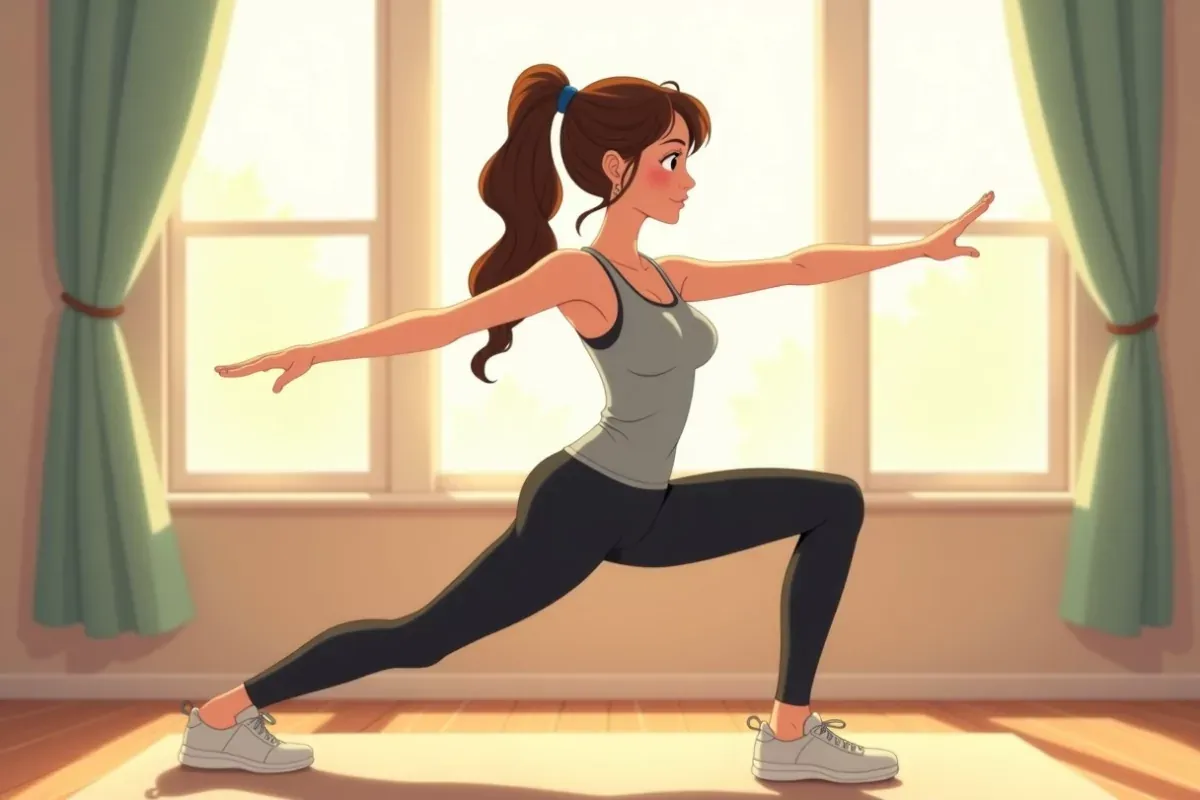
On a per-session basis, a fast-paced yoga class usually burns more calories than a mat pilates class, but the gap is smaller than people think. A vigorous Vinyasa or Power yoga session can burn roughly 350 to 460 calories an hour, while a mat pilates session tends to land around 175 to 375, depending on intensity and your body weight.
Reformer pilates, done on the spring-loaded machine at a studio, closes that gap because the resistance makes your muscles work harder throughout. But if we’re comparing the most common at-home versions, mat pilates vs flowing yoga, the flowing yoga usually edges ahead on pure calorie burn.
Here’s the honest caveat, though: neither one burns calories like running, cycling, or a real HIIT session. If raw calorie burn is your only goal, both pilates and yoga are complementary tools, not the main engine. Their value for weight loss comes from muscle, stress, and consistency, not from being calorie furnaces.
Which One Builds More Tone
For visible muscle tone, pilates has the clearer advantage. Its entire design is about controlled resistance and time under tension, especially through the core, glutes, and thighs. People who stick with pilates often notice a flatter, tighter midsection and more defined legs, which reads as “toned” even at the same body weight.
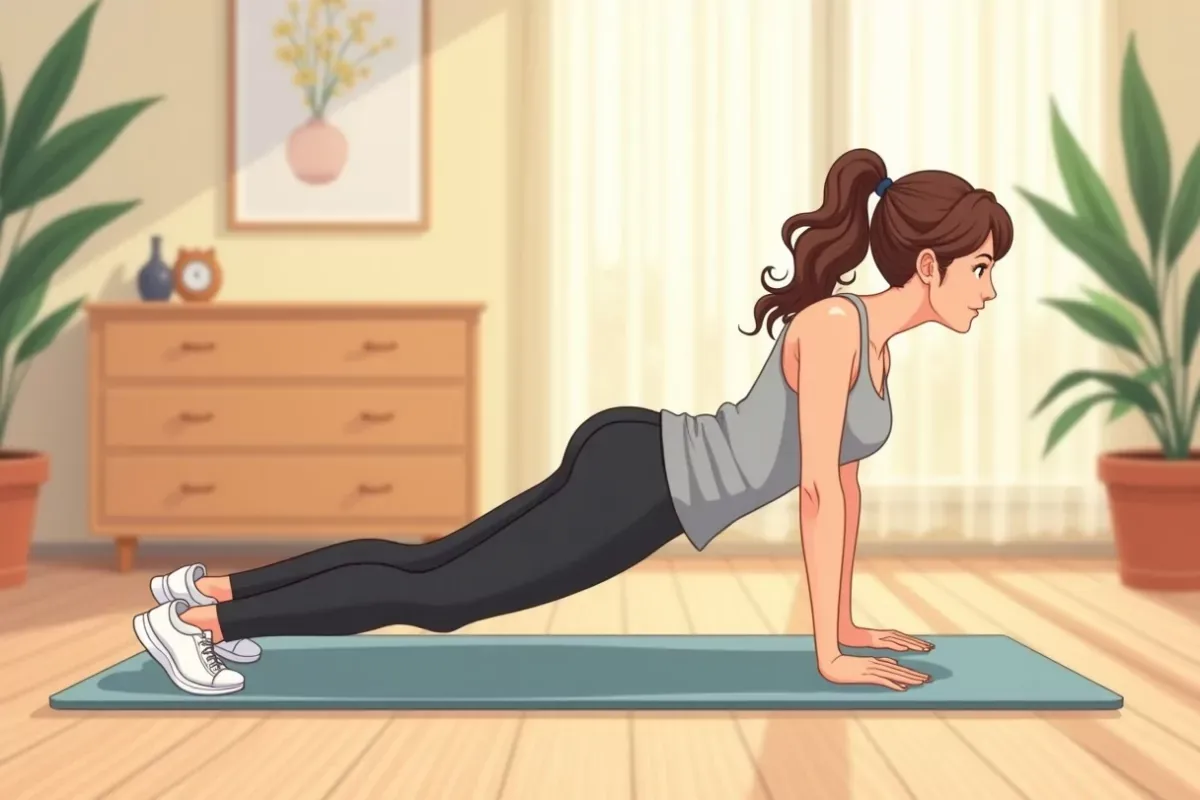
Yoga builds strength too, don’t get me wrong. Holding a plank, a chair pose, or a warrior sequence works your muscles hard using just your bodyweight. But yoga’s strength tends to be more about endurance and stability than the concentrated sculpting pilates delivers. If your main goal is a tighter, more defined look, pilates gets you there a little faster.
Which One Is Better for Stress and Emotional Eating
Yoga wins this one clearly, and it matters more than most weight loss guides admit. If your eating is driven by stress, anxiety, or emotional ups and downs, no amount of calorie burning fixes the root cause. Yoga’s built-in focus on breath and mindfulness directly calms the nervous system, and research consistently links regular yoga to lower stress and reduced cortisol.
Lower stress tends to mean fewer late-night snack raids, fewer “I had a rough day so I deserve this” moments, and better sleep, which itself supports weight loss by regulating hunger hormones. For a lot of people, especially women juggling work, family, and everything else, this stress angle is the single biggest reason yoga helps them lose weight where pure exercise plans failed.
Pilates does involve focused breathing and can feel meditative, but it doesn’t target stress the way yoga does. If emotional eating is your main obstacle, that tilts the choice toward yoga.
Which One Is Easier to Stick With
The most important factor in any weight loss plan is the one you’ll actually keep doing, and here it really comes down to personality. Pilates appeals to people who like structure, precision, and feeling their muscles work in a focused way. Yoga appeals to people who want a mind-body practice, flexibility, and a calmer headspace along with the physical benefits.
Both are low-impact and joint-friendly, which makes them far easier to sustain long-term than high-intensity workouts that leave you sore and dreading the next session. Neither requires you to be fit or flexible to start, and both scale up as you improve. Whichever one you find yourself looking forward to, rather than dreading, is the one that will actually move the needle.
The Main Styles of Each, Explained
Part of the confusion in the pilates vs yoga debate is that neither one is a single thing. The style you pick changes everything about how much it helps with weight loss.
For pilates, the two main forms are mat and reformer. Mat pilates uses just your bodyweight on the floor and is the most accessible way to start at home. Reformer pilates is done on a spring-loaded machine at a studio, adding adjustable resistance that makes muscles work harder, which burns more calories and builds tone faster. If you have access to a studio, reformer tends to give better weight loss results, but mat pilates done consistently still works.
Yoga has far more variety. Hatha and Yin are slow, gentle, and better for flexibility and relaxation than fat loss. Vinyasa flows continuously from pose to pose and keeps your heart rate up. Power yoga and Ashtanga are the most physically demanding and the best yoga styles for weight loss, since they combine strength, endurance, and a real sweat. If weight loss is your goal, skip the gentle styles for your main sessions and lean into the flowing, faster ones.

Common Mistakes That Stall Weight Loss
Plenty of people do pilates or yoga faithfully and still don’t lose weight, and it’s almost always one of these mistakes:
- Expecting the workout alone to do it. Neither burns enough calories to outrun a poor diet. Movement plus eating habits is the combination that works, not movement alone.
- Picking the gentlest style and expecting big results. A slow restorative yoga class is lovely, but it won’t drive fat loss. Match the intensity to your goal.
- Doing it once a week. Consistency is everything for low-impact training. One session a week maintains, it doesn’t transform.
- Rewarding yourself with food afterward. “I earned this” snacking after a class quietly erases the calorie deficit you just built.
- Never progressing. Doing the exact same beginner routine for months means your body adapts and stops changing. Add harder variations over time.
Fixing even one or two of these is often the difference between spinning your wheels and actually seeing the scale move.
What Results to Expect, and When
Realistic expectations keep you from quitting too early. With consistent practice three to four times a week plus a sensible diet, most people notice changes in a predictable order.
In the first two to three weeks, you’ll usually feel stronger, more flexible, and less stiff, and your posture starts to improve, even before the scale moves. Around weeks four to six, clothes often start fitting better as your core tightens and you build a little muscle tone, especially with pilates. Meaningful weight loss on the scale, the kind you can measure in pounds, typically shows up over two to three months of consistency, since healthy fat loss happens at roughly half a pound to two pounds a week.
The people who succeed are the ones who judge progress by how they feel and how their clothes fit in the early weeks, not just the scale, and who give it a couple of months before deciding whether it’s working.

Who Should Be Careful
Both pilates and yoga are low-impact and among the safest forms of exercise, but a few situations call for caution. If you’re pregnant, have a back or neck injury, recent surgery, or a chronic condition, check with your doctor before starting and let your instructor know so they can modify poses for you.
Beginners should resist the urge to force deep stretches or advanced poses too soon, since that’s the most common way people get hurt in both practices. Start with beginner-friendly classes, move within a comfortable range, and build up gradually. Pain is a signal to back off, mild muscle fatigue is normal, sharp or joint pain is not. Done sensibly, both practices are gentle enough to do for decades.
How to Use Either One for Real Weight Loss
Here’s the part most articles skip: neither pilates nor yoga alone will create a big calorie deficit, so how you use them matters. To actually lose weight with either practice, build your routine like this:
- Do it consistently. Aim for 3 to 4 sessions a week. Consistency beats intensity every time for low-impact work like this.
- Pair it with a calorie-aware diet. Weight loss still comes down to eating slightly fewer calories than you burn. Pilates and yoga support that, they don’t replace it.
- Add some cardio or walking. Even a daily 20 to 30 minute walk stacks on top of your practice and closes the calorie-burn gap.
- Progress over time. Move from beginner mat work to harder variations, or from gentle yoga to faster flows, so your body keeps adapting.
- Prioritize sleep and stress. This is where yoga pulls double duty, but either way, poor sleep and high stress quietly sabotage weight loss.
Use either practice as the foundation of movement you enjoy, then let diet and daily activity do the heavier lifting on the actual calorie math.
Home vs Studio: Cost and Convenience
One practical factor that quietly decides which practice you stick with is how and where you’ll actually do it. Both pilates and yoga can be done at home for free with nothing but a mat and a phone playing a video, which is a huge advantage over gym memberships or class packages. For a lot of people, the at-home option is what makes the habit stick, since there’s no commute, no schedule to work around, and no fee every time you show up.
Where the cost picture splits is the studio versions. Yoga studios and reformer pilates studios both charge for classes, and reformer pilates in particular tends to be pricier because of the specialized machines and smaller class sizes. Studio classes do offer real benefits though: an instructor correcting your form, harder progressions, and the accountability of a scheduled session you’ve paid for.
A sensible middle path many people use is to learn the basics from a few in-person classes so your form is solid, then continue at home with free or low-cost videos to keep the habit affordable and convenient. If budget is a concern, start at home with either practice, since consistency at zero cost beats an expensive membership you use twice a month. The best setup is simply the one that removes the most friction between you and actually doing it.
Can You Do Both
Honestly, combining pilates and yoga is often the smartest move, and you don’t have to choose forever. Many people do pilates two or three times a week for the core strength and muscle tone, then add a yoga session or two for flexibility, stress relief, and recovery. The two practices complement each other almost perfectly: pilates builds the strength yoga’s balance poses rely on, and yoga restores the flexibility that intense pilates can tighten up.
If you’re just starting and feeling overwhelmed, don’t overthink it. Pick whichever one sounds more appealing, commit to a few weeks, and see how your body and mood respond. You can always fold in the other later once the habit sticks.
Which One Should You Choose
Choose pilates if your main goals are core strength, a tighter and more toned midsection, better posture, and you like structured, precise workouts. Choose yoga if you’re carrying a lot of stress, struggle with emotional eating, want more flexibility and calm, or you simply feel better after a mind-body session than after a strength-focused one.
And if you genuinely can’t decide, start with yoga if stress and consistency are your struggles, or pilates if muscle tone and definition are what you’re after. There’s no wrong answer here, only the one you’ll actually keep doing. If you want a simple starting point at home, our 10 pilates workouts for weight loss guide gives you moves you can try today.
Frequently Asked Questions
Is pilates or yoga better for weight loss? Both help, but differently. Pilates builds more lean muscle tone that raises resting metabolism, while faster yoga styles burn more calories per session and reduce stress-driven eating. The best one is whichever you’ll do consistently.
How many times a week should I do pilates or yoga to lose weight? Aim for 3 to 4 sessions a week, paired with a calorie-aware diet and some daily walking. Consistency matters far more than doing occasional long sessions.
Can you lose belly fat with pilates or yoga? You can reduce overall body fat, including belly fat, with either when combined with a calorie deficit. You cannot spot-reduce fat, but pilates especially tightens the core muscles underneath, which flattens the look of your midsection.
Which burns more calories, pilates or yoga? A vigorous Vinyasa or Power yoga class usually burns more per hour (around 350 to 460 calories) than mat pilates (around 175 to 375). Reformer pilates narrows that gap thanks to added resistance.
Do I need equipment to start? No. Both can be done at home with just a mat. Pilates has an optional studio machine called a reformer, and yoga occasionally uses blocks or straps, but neither is required to begin.
References
For context on how much of this you actually need, the federal activity guideline for adults is 150 to 300 minutes of moderate aerobic activity per week, plus strength work on 2 or more days.
- U.S. Department of Health and Human Services. Physical Activity Guidelines for Americans, 2nd edition — 150–300 minutes of moderate-intensity aerobic activity per week and muscle-strengthening on at least 2 days. health.gov
Keep reading: if weight loss is your main focus, our 20 best weight loss tips for women covers the eating and habit side that makes any workout plan actually work.
Follow us on Facebook, TikTok, YouTube, and Pinterest for more no-nonsense fitness tips.
Evandro
Evandro is the founder of The Fitness Road. He believes that without physical activity there is no real health, and without health, there is no lasting discipline in any other area of life.
Leave a Reply
Your email address will not be published. Required fields are marked *