
Free Weights vs Machines: Choosing by Goal and Context

Free weights vs machines is a debate that’s been going on in gyms forever, and honestly, most of it comes from people picking a side instead of actually looking at what each one does well. Both build real muscle. Both have a place in a smart program. The question isn’t really which one wins, it’s which one fits where you are right now and what you’re training for.
Here’s the honest, research-backed breakdown of how they compare.
The Quick Answer
Free weights activate more total muscle per exercise because your body has to stabilize the weight through the entire movement, not just push or pull it. A barbell squat produces meaningfully more muscle activation than the same movement on a Smith machine, for example. But machines aren’t inferior for building size, when total training volume and effort are matched, research shows both approaches build comparable muscle over time. The real differences are in stabilization demand, injury risk, and how beginner-friendly each one is.
Free Weights vs Machines at a Glance
| Free Weights | Machines | |
|---|---|---|
| Muscle activation | Higher, recruits stabilizers too | Lower, isolates the target muscle |
| Learning curve | Steeper, technique matters a lot | Gentle, guided path teaches the movement |
| Injury risk | Higher if form breaks down | Lower, fixed path limits bad angles |
| Functional carryover | Strong, mimics real-world movement | Limited, isolated pattern only |
| Best for | Intermediate to advanced lifters | Beginners, injury rehab, isolation work |
| Space and cost | Minimal equipment needed | Requires dedicated machines |
What Free Weights Actually Do
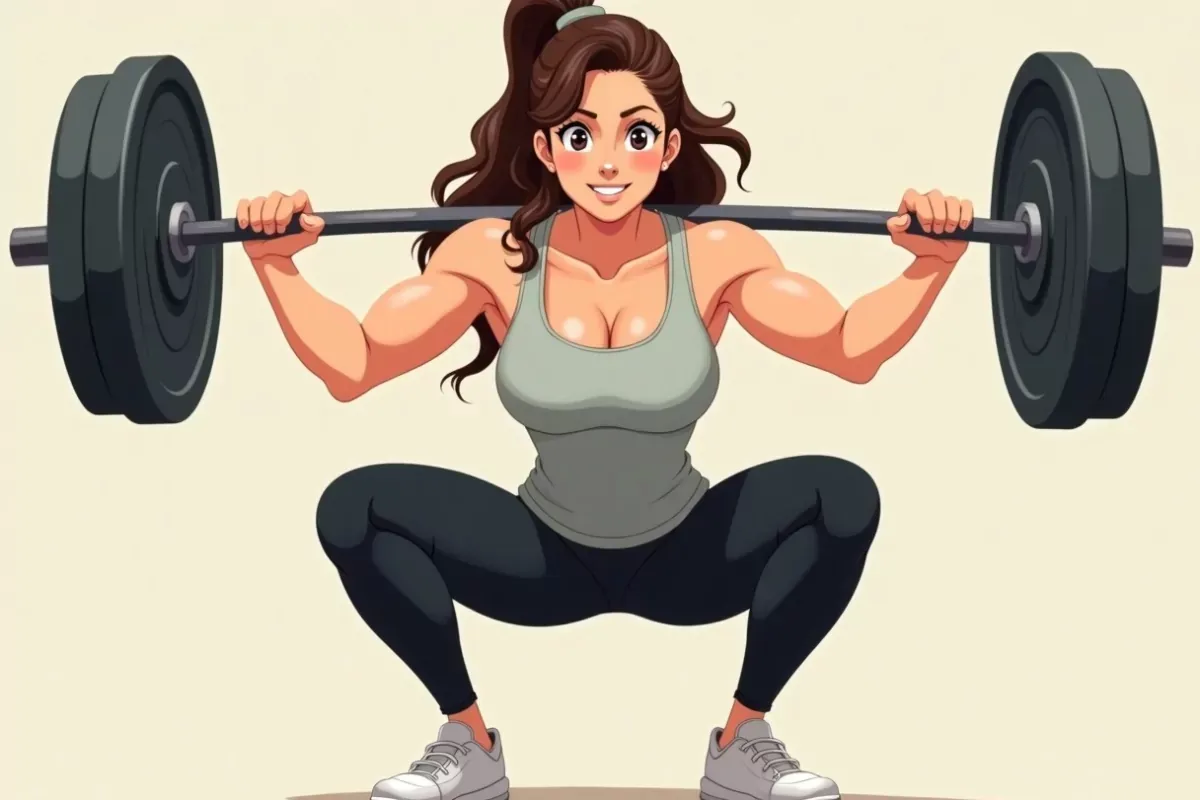
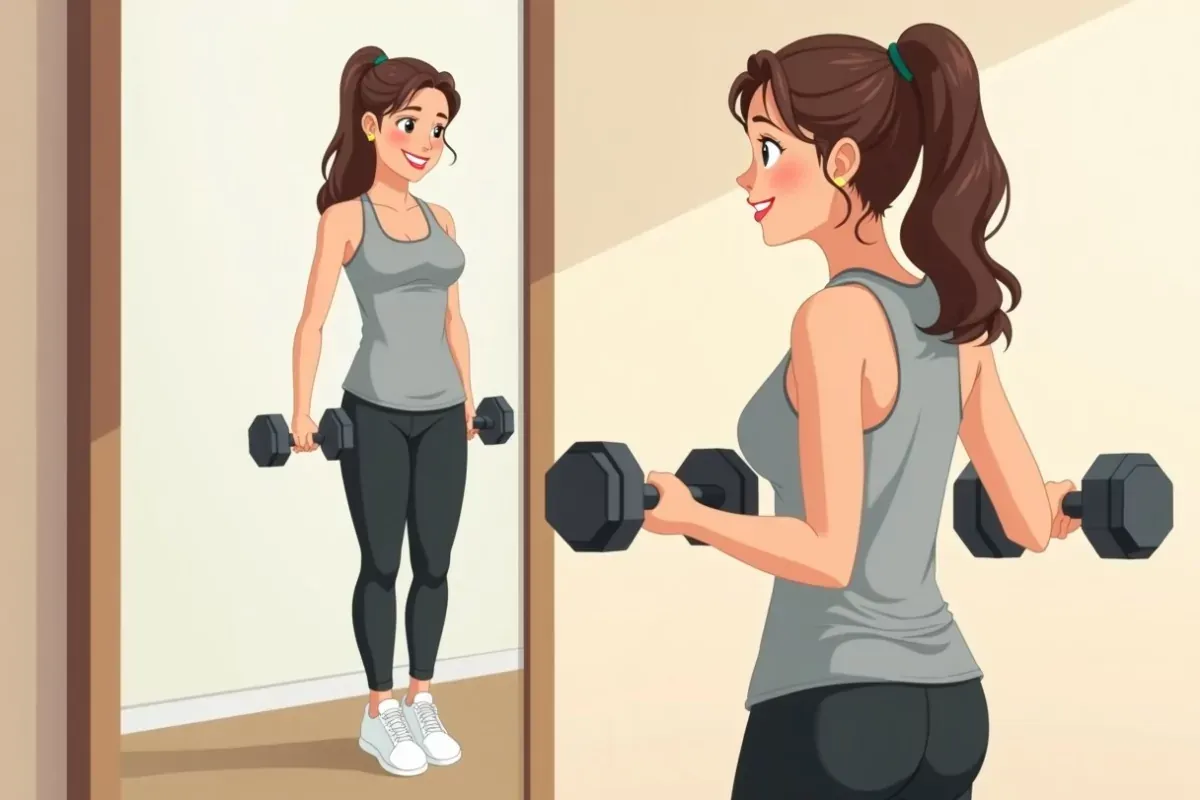
Free weights, barbells, dumbbells, kettlebells, are unsupported through space, which means every rep is a small balancing act on top of the lift itself. Your stabilizing muscles, the smaller ones around your joints and core, have to fire constantly just to keep the weight moving in a straight, controlled path.
That stabilization demand is exactly why free weights tend to activate more total muscle per exercise. A barbell squat doesn’t just work your quads and glutes, it also lights up your core, your upper back, even your forearms gripping the bar. Research comparing barbell squats to Smith machine squats has found the barbell version produces significantly more total muscle activation, since the Smith machine’s fixed vertical bar path removes most of the stabilization work entirely.
Free weights also carry over better to real life and sports. Picking up a heavy box, catching your balance, throwing a punch, none of those movements happen on a fixed track, so training in a way that demands your own stabilization builds strength that actually transfers.
What Machines Actually Do
Machines guide the weight along a fixed path, which removes the stabilization demand and lets you focus entirely on pushing or pulling against resistance. That fixed path is exactly what makes machines so useful for specific situations, even though it’s also what limits their total muscle activation compared to free weights.
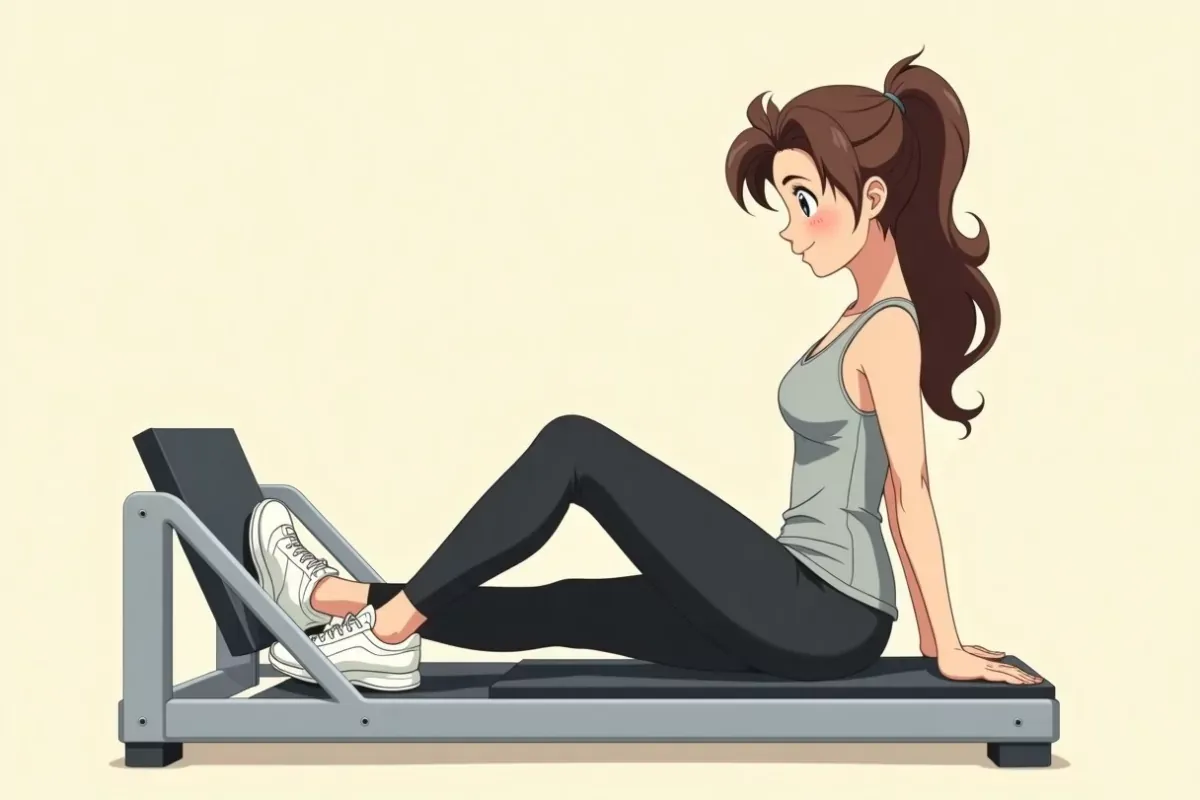
For beginners, that guided path is a genuine advantage. Learning a barbell squat with good form takes weeks of practice and coaching. Learning a leg press machine takes about five minutes. Machines let brand new lifters start building strength immediately without the technique barrier standing in the way, and with meaningfully lower injury risk while they’re still learning how their body moves under load.
Machines also shine for isolation work. If you want to specifically target your hamstrings without your lower back or core getting involved at all, a leg curl machine does that far more precisely than any free weight exercise could. That precision makes machines a strong tool for bringing up a lagging muscle group or working around an injury that free weight movements would aggravate.
Which One Builds More Muscle
Honestly, when you match total training volume, sets, reps, and effort taken close to failure, research shows free weights and machines produce comparable muscle growth over time. Neither one has some hidden growth advantage the other is missing entirely.
Where free weights pull ahead is efficiency. Because a single free weight exercise activates more total muscle, including stabilizers, you’re getting more overall training stimulus per exercise, per set, per minute in the gym. That efficiency compounds over months of consistent training, which is likely why free weights show up more often in the training history of very advanced, heavily muscled lifters.
Machines can absolutely still build serious muscle, they just typically need more total volume or more exercises to hit the same total muscle groups that a handful of free weight compound lifts would cover. Neither path is wrong, one is just more time-efficient once you have the technique down.
Which One Is Safer
Machines win clearly here, especially for anyone newer to lifting. The fixed path removes the risk of a barbell drifting off-line, a dumbbell wobbling at a bad angle, or your lower back rounding under a heavy deadlift. If your form breaks down on a machine, the movement mostly just stops working effectively, it rarely puts you in a genuinely dangerous position the way a failed free weight lift can.
Free weights carry real injury risk when technique breaks down under fatigue or heavy load, particularly in compound lifts like squats, deadlifts, and overhead presses. That risk isn’t a reason to avoid free weights, it’s a reason to learn proper form first, start light, and progress the weight gradually rather than chasing heavy numbers before your technique is solid.
Which One Is Better for Beginners
For most complete beginners, starting with a mix that leans toward machines for the first several weeks makes sense. It lets you build a base level of strength and gym confidence without the technique demands of a barbell squat or deadlift working against you from day one.
That said, don’t stay on machines forever if your goal includes real strength and long-term muscle growth. Somewhere around 4 to 8 weeks in, start layering in basic free weight movements, goblet squats, dumbbell rows, dumbbell presses, with a coach or careful self-study on form. The goal is to graduate into free weights once you have the movement patterns down, not to avoid them indefinitely.
Which One Is Better for Advanced Lifters
More experienced lifters generally benefit most from a free-weight-dominant program, since the greater muscle activation and functional strength carryover matter more once basic strength has been built. Most serious strength and physique athletes build their programs around free weight compound lifts, squats, deadlifts, bench press, overhead press, rows, with machines used as supplementary isolation work.
That supplementary role for machines doesn’t disappear at an advanced level, it actually becomes more useful. Once your big compound lifts are dialed in, machines let you add targeted isolation volume for specific muscles without adding more systemic fatigue from stabilizing heavy free weights, which helps manage overall recovery while still driving growth in lagging areas.
Common Mistakes With Both
- Avoiding free weights entirely out of fear. Some machine-only lifters never build the stabilization strength and confidence that free weights develop, which limits both muscle growth and functional strength.
- Ego lifting on free weights before form is solid. Adding weight faster than your technique can handle is the most common way people get hurt with barbells and dumbbells.
- Treating machines as inferior and skipping them entirely. Machines are a legitimate tool for isolation and safe overload, not a lesser workout.
- Using a Smith machine as a substitute for free squats without knowing the tradeoff. It’s safer and useful in specific cases, but it activates noticeably less stabilizing muscle than a free barbell squat.
- Never progressing on machines. Just like free weights, machines need increasing resistance or reps over time to keep driving growth, the same beginner weight for months won’t build much.
How to Combine Both for Best Results
The smartest approach for most lifters, at any experience level, is building a program around free weight compound movements and using machines to fill in the gaps. A typical structure might use barbell or dumbbell squats, presses, and rows as the main lifts of a session, then finish with machine work targeting specific muscles that need extra volume, like leg extensions, lat pulldowns, or cable flies.
This combination gets you the efficiency and functional carryover of free weights along with the precise, lower-fatigue isolation machines are good at. If you’re building your training week around this kind of split, pairing it with enough protein intake and smart progressive overload matters just as much as which equipment you choose.
Which One Should You Actually Choose
If you’re brand new to lifting, lean on machines for the first several weeks to build confidence and base strength, then start adding free weight movements as your form improves. If you’re already comfortable with basic lifting technique, build your program around free weight compound lifts and use machines as targeted support work, not the other way around.
And if you’re managing an injury, working around a physical limitation, or just prefer machines, that’s a completely legitimate way to train. Consistent effort on machines beats inconsistent, fear-driven attempts at free weights every time. The best equipment is the one that lets you train hard and stay consistent for years, not months.
Frequently Asked Questions
Are free weights better than machines for building muscle? Free weights activate more total muscle per exercise due to stabilization demands, making them more time-efficient. But when training volume is matched, machines can build comparable muscle over time.
Should beginners start with free weights or machines? Most beginners benefit from starting with machines to build base strength and confidence, then gradually adding free weight movements as technique improves, usually within the first 4 to 8 weeks.
Are machines safer than free weights? Yes, generally. The fixed path on machines removes most of the risk of bad angles or losing control of the weight, making them lower risk, especially for people newer to lifting.
Can you build the same amount of muscle with just machines? Yes, if you match total training volume and train close to failure consistently. Machines are a completely legitimate way to build serious muscle, especially combined with progressive overload over time.
Is the Smith machine as good as free squats? Not quite. The Smith machine is safer and useful in specific situations, but it produces noticeably less stabilizing muscle activation than a free barbell squat because the fixed vertical bar path removes most of the balancing demand.
References
The training recommendations in this guide sit inside the official baseline for adults: muscle-strengthening work on at least 2 days a week covering all major muscle groups.
- U.S. Department of Health and Human Services. Physical Activity Guidelines for Americans, 2nd edition — adults need muscle-strengthening activity at least 2 days each week. health.gov
Keep reading: if you’re building a full training split around these tools, our guide on progressive overload covers how to keep making gains with either free weights or machines over the long term.
Follow us on Facebook, TikTok, YouTube, and Pinterest for more no-nonsense fitness tips.
Evandro
Evandro is the founder of The Fitness Road. He believes that without physical activity there is no real health, and without health, there is no lasting discipline in any other area of life.
Leave a Reply
Your email address will not be published. Required fields are marked *