
Electrolyte Drinks for Muscle Cramps: What Actually Works

Electrolyte drinks for muscle cramps are one of those things people only start caring about after they’ve woken up at 2 a.m. with a calf locked up so hard they nearly fall out of bed.
If that’s you, or you’re the type who cramps mid-set on leg day, the fix is usually a lot simpler than another tub of magnesium pills from the pharmacy. Cramping is almost always a sign that something in your fluid and mineral balance is off, not that your muscles are “weak” or you’re not stretching enough.
Once you understand which electrolytes actually matter, building a drink that fixes the problem takes about two minutes in your kitchen.
Why Muscle Cramps Happen in the First Place
A muscle cramp is basically a nerve signal misfiring, telling the muscle to contract when it shouldn’t. The usual triggers are dehydration, low sodium, low potassium, or low magnesium, and heavy sweating makes all four worse at once.
If you train hard, sweat a lot, and mostly drink plain water all day, you’re flushing out sodium without replacing it, which sets the stage for cramps during or after your workout. This is exactly why plain water alone sometimes makes cramping worse, not better.
You’re diluting the sodium you do have left without adding back what you lost through sweat. That’s the whole reason electrolyte drinks for muscle cramps exist as a category in the first place.
The Core Electrolytes Behind Muscle Cramps
Sodium is the big one. It’s the main electrolyte lost through sweat and the one most directly tied to cramping during exercise.
Potassium comes second, helping regulate muscle contractions alongside sodium. Magnesium plays a supporting role, especially for cramps that hit at night rather than during training. Calcium matters too, but most people already get enough through their normal diet.
A good homemade electrolyte drink doesn’t need all four in a lab-perfect ratio. Getting sodium and potassium right covers most of what causes exercise-related cramping for the average lifter, which is the whole point of good electrolyte drinks for muscle cramps.
The Basic Homemade Electrolyte Mix
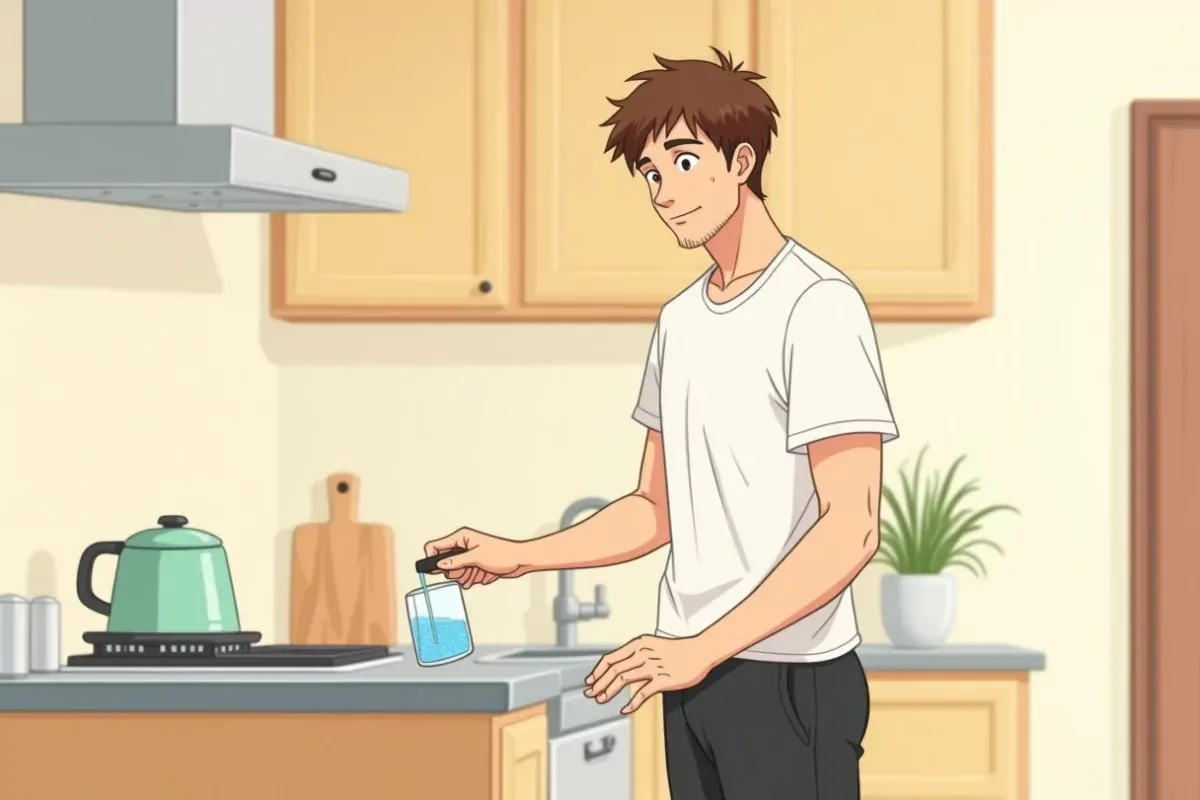 Mix 16 ounces of water, a quarter teaspoon of sea salt or Himalayan salt, the juice of half a lemon, and a tablespoon of honey or maple syrup. That’s it.
The salt covers sodium, the lemon adds a bit of potassium and makes it taste like something you’d actually want to drink, and the honey gives you the small carb dose that helps your body absorb everything faster. Drink this during long sessions or right after intense training, especially if you notice you’re a heavy sweater or you train in a hot, poorly ventilated gym.
It beats a lot of bottled sports drinks on flavor alone once you get the ratio right, and there’s no dye or 30 grams of straight sugar per bottle. This is the easiest of all the electrolyte drinks for muscle cramps to keep stocked in your fridge.
A Potassium-Boosted Version for Nighttime Cramps
 If your cramps mostly hit at night in bed rather than during your workout, potassium and magnesium are usually the bigger issue. Blend a banana, a cup of coconut water, and a small handful of spinach.
Coconut water is naturally high in potassium, the banana adds more potassium plus some natural sugar, and spinach sneaks in a solid dose of magnesium without making the drink taste like a salad.
Have this an hour or two before bed on days you trained hard, particularly leg day or anything heavy on volume. It won’t work instantly like a painkiller, but consistently drinking it on training days tends to cut down how often those middle-of-the-night calf cramps show up, which is exactly what good electrolyte drinks for muscle cramps are supposed to do.
Tart Cherry and Salt for Recovery Days
 On rest days after a brutal training block, a mix of tart cherry juice, a pinch of salt, and water works well.
Tart cherry has natural compounds linked to reduced muscle soreness, and the small amount of salt keeps your sodium levels steady even on days you’re not sweating from a workout. This one pairs nicely with a smart recovery day built around something like the ideas in our gym plateau guide, since recovery and cramp prevention go hand in hand.
It’s one of the more overlooked electrolyte drinks for muscle cramps out there.
Best Electrolyte Drinks for Muscle Cramps: Timing Around Your Workout
Timing depends on the type of cramp you’re trying to prevent. For cramps during training, sip an electrolyte drink starting about 30 minutes before you begin and continue through your session, especially anything over 45 minutes long or done in a hot room.
For nighttime cramps, the potassium-focused version works best a couple hours before bed rather than right at your workout. Don’t wait until you actually feel a cramp coming on to start drinking one of these.
By the time your calf locks up mid-set, you’re already behind on replacing what you lost, and it takes a while for fluids and minerals to actually get absorbed and reach the muscle. Timing is honestly half of what makes electrolyte drinks for muscle cramps actually work.
Signs Your Cramping Is About More Than Just Electrolytes
Most exercise-related cramping is fixable with better hydration and electrolyte habits, but not all of it. If you’re cramping constantly despite drinking enough water and using something like the mixes above, it’s worth looking at your overall training volume, whether you’re progressing too fast, or whether a medication you’re on affects fluid balance.
Chronic, severe, or one-sided cramping that doesn’t respond to any of this is worth mentioning to a doctor rather than just drinking more lemon water and hoping it goes away.
For most healthy lifters though, the fix really is this simple. Getting your compound lifts dialed in matters too, since bad form under fatigue can make cramping worse, which is covered well in our compound exercises guide.
Store-Bought vs Homemade Electrolyte Drinks for Muscle Cramps
Most commercial sports drinks are built for marathon runners losing huge amounts of sweat over hours, not for someone doing an hour of resistance training in an air-conditioned gym. That means they’re often loaded with way more sugar than you actually need for a normal session, along with dyes and flavors nobody needs.
Homemade electrolyte drinks let you dial the sodium and potassium up or down based on how much you actually sweat, without eating 30-plus grams of sugar every time you want to avoid a cramp.
That said, if you’re doing something genuinely long and brutal, like a two-hour outdoor training session in summer heat, a proper sports drink with a higher carb content isn’t a bad call. For regular gym sessions though, the homemade versions above cover almost everyone’s needs, and they’re still the simplest electrolyte drinks for muscle cramps you can make without a store run.
How Your Electrolyte Needs Change With Training Intensity
A 20-minute mobility session doesn’t demand the same electrolyte drink as a 90-minute leg day that leaves your shirt soaked through. Light training days, plain water is usually enough, maybe with a small pinch of salt if it’s hot out.
Once you’re pushing past 45 minutes of hard training, especially anything with a lot of sets and short rest, that’s when a real electrolyte drink for muscle cramps starts pulling its weight instead of being optional. Body size and how much you personally sweat matter too.
Some people finish a workout barely damp, others are wringing out their shirt by the second exercise. If you’re a heavy sweater, lean toward the higher end on salt in these recipes and consider having a glass both during and after training rather than just one or the other.
Foods That Pair Well With These Drinks
Electrolyte drinks work better alongside food that supports the same goal instead of fighting it. Bananas, potatoes, and leafy greens are all naturally high in potassium and make solid pre or post workout snacks alongside any of these mixes.
Salty foods like a handful of pretzels or a slice of whole grain toast with a bit of butter can top off sodium levels if you’re someone who sweats heavily and needs more than a drink alone provides.
On the flip side, going into a hard training session already dehydrated from too much coffee or alcohol the night before makes cramping way more likely no matter how good your electrolyte drink is. These drinks help, but they’re not a fix for showing up to the gym already running on empty.
Quick Answers to Common Questions
How much salt should electrolyte drinks for muscle cramps actually have? A quarter to half teaspoon per 16 ounces of water is plenty for most people. If you have high blood pressure or kidney issues, check with a doctor before regularly adding extra sodium to your routine.
Can I just take a magnesium supplement instead? It can help with nighttime cramps specifically, but it won’t fix sodium loss from sweating, which is the more common cause of cramps during actual training.
Do pickle juice shots count as electrolyte drinks for muscle cramps? Some people swear by them, and the high sodium content is likely why. It’s not magic, it’s just a fast way to get sodium in, similar to the drinks above.
Should I drink these on rest days too? Not usually necessary unless you’re still sweating heavily from heat or you had a rough training day the day before. On true rest days, plain water and a normal diet cover most people’s needs just fine.
Frequently Asked Questions
How much salt should electrolyte drinks for muscle cramps actually have? A quarter to half teaspoon per 16 ounces of water is plenty for most people. If you have high blood pressure or kidney issues, check with a doctor before regularly adding extra sodium to your routine.
Can I just take a magnesium supplement instead? It can help with nighttime cramps specifically, but it won’t fix sodium loss from sweating, which is the more common cause of cramps during actual training.
Do pickle juice shots count as electrolyte drinks for muscle cramps? Some people swear by them, and the high sodium content is likely why. It’s not magic, it’s just a fast way to get sodium in, similar to the drinks above.
Should I drink these on rest days too? Not usually necessary unless you’re still sweating heavily from heat or you had a rough training day the day before. On true rest days, plain water and a normal diet cover most people’s needs just fine.
References
The training recommendations in this guide sit inside the official baseline for adults: muscle-strengthening work on at least 2 days a week covering all major muscle groups.
- U.S. Department of Health and Human Services. Physical Activity Guidelines for Americans, 2nd edition — adults need muscle-strengthening activity at least 2 days each week. health.gov
Keep reading: if hydration is on your radar, our pre-workout drinks at home guide covers what to drink before you train, not just after. If the cramping tends to hit mid-session rather than afterwards, our guide on hydration during training covers what to sip while you’re still lifting. For measured recipes you can make in a blender, see our homemade recovery drinks.
Follow us on Facebook, TikTok, YouTube, and Pinterest for more no-nonsense gym tips.
Evandro
Evandro is the founder of The Fitness Road. He believes that without physical activity there is no real health, and without health, there is no lasting discipline in any other area of life.
Leave a Reply
Your email address will not be published. Required fields are marked *