
Intra-Workout Drinks: What to Drink During a Workout

You’ve probably heard people talk about what to eat before a workout and what to drink after one, but the middle of the session usually gets skipped. That’s where intra-workout drinks come in: something you sip while training rather than before or after it. The supplement industry has turned this into a whole product category, but the honest question is simpler than the marketing makes it look, do you actually need one, and if so, what should actually be in it.
What Is an Intra-Workout Drink?
An intra-workout drink is anything you consume gradually during a training session rather than all at once before or after. Sipped steadily instead of chugged, the goal is to keep hydration, blood sugar, and sometimes amino acid levels steady while you’re actively training.
Commercially, intra-workout products usually combine fast-digesting carbohydrates for immediate energy, electrolytes like sodium and potassium to replace what you lose through sweat, and sometimes amino acids meant to reduce muscle breakdown during longer sessions.
Do You Actually Need One?
For most gym sessions under 45 to 60 minutes, the honest answer is no. This is worth being precise about, because the guidelines people quote to justify buying these products are written for a specific case: the ACSM recommendation to fuel mid-session applies to intense exercise lasting longer than an hour. Below that threshold, if you ate a reasonable meal or snack beforehand, your blood sugar and glycogen stores are generally sufficient to carry you through a normal strength or cardio session without actively fueling mid-workout. Plain water covers hydration for a session that length just fine.
The calculation changes for longer or more demanding sessions, endurance training past an hour, high-volume training blocks, or sessions in hot conditions with heavy sweat loss. In those situations, an intra-workout drink genuinely helps sustain performance in a way plain water doesn’t, since you’re losing fluid, electrolytes, and glycogen faster than a short session would burn through.

What Should Actually Be In It
If you’re building your own rather than buying a commercial product, three components cover almost everything the research points to as useful.
Fast carbohydrates. The American College of Sports Medicine’s position stand on exercise and fluid replacement puts the working range at 30 to 60 grams of carbohydrate per hour for intense exercise lasting longer than an hour, delivered in a solution of roughly 4 to 8 percent carbohydrate. In practice that means dextrose, maltodextrin, or simple fruit juice, giving your muscles readily available fuel without the digestive weight of solid food.
Electrolytes. Sodium is the big one, since it’s what you lose the most of through sweat, followed by smaller amounts of potassium and magnesium. That same ACSM position stand puts the useful range at about 0.5 to 0.7 grams of sodium per liter for sessions running past an hour, where it also improves how the drink tastes and helps your body hold onto the fluid. A pinch of salt in a shaker bottle covers most of this without needing a branded electrolyte product.
Amino acids, optionally. For sessions under 90 minutes, this component matters least, since you’re unlikely to be in a meaningfully catabolic state that quickly. The International Society of Sports Nutrition’s position stand on nutrient timing places far more weight on your total daily protein intake than on consuming amino acids during the session itself. For longer endurance work or fasted training specifically, essential amino acids can help reduce muscle protein breakdown during the session itself.
Simple DIY Intra-Workout Drink Recipes
You don’t need a tub of powder to put this together. A basic homemade version is water, a tablespoon of honey or maple syrup for carbohydrate, and a pinch of salt for sodium, mixed in a 20 to 24 ounce bottle and sipped steadily through your session.
A slightly more complete version swaps the water for coconut water, which already carries natural electrolytes, and adds a splash of fruit juice for flavor and a bit more carbohydrate. A small scoop of unflavored EAA or BCAA powder stirred into either version covers the amino acid piece if you want it.

How Much to Drink and How Often During Training
A useful starting point is beginning to sip about 10 to 15 minutes into your session, then continuing in small amounts every 15 to 20 minutes rather than drinking it all at once early on. Finishing the bottle by the time your session wraps up is the general target, so you’re spreading the carbohydrate and fluid intake across the full training window instead of front-loading it.
Total volume depends heavily on session length and sweat rate, but 16 to 24 ounces for a 60 to 90 minute session is a reasonable default for most people, adjusted upward for hot environments or heavier sweaters and downward for shorter or lower-intensity sessions.
Intra-Workout vs. Pre-Workout vs. Post-Workout
These three categories solve genuinely different problems, and confusing them is common. A pre-workout drink is about arriving at your session with energy and focus already primed, typically consumed 30 to 60 minutes before you start. An intra-workout drink is about sustaining that energy and hydration through a longer or more demanding session while it’s happening. A post-workout recovery drink shifts the goal entirely to repair, replenishing glycogen and supplying protein for muscle repair after you’ve finished.
For a typical 45 to 60 minute strength session, most people genuinely only need the first and third of these, a reasonable pre-workout approach and a solid recovery drink afterward. The intra-workout category is the one that’s most often unnecessary for shorter, more typical training sessions, and most useful specifically when session length or intensity pushes well past that range.
Who Actually Benefits Most
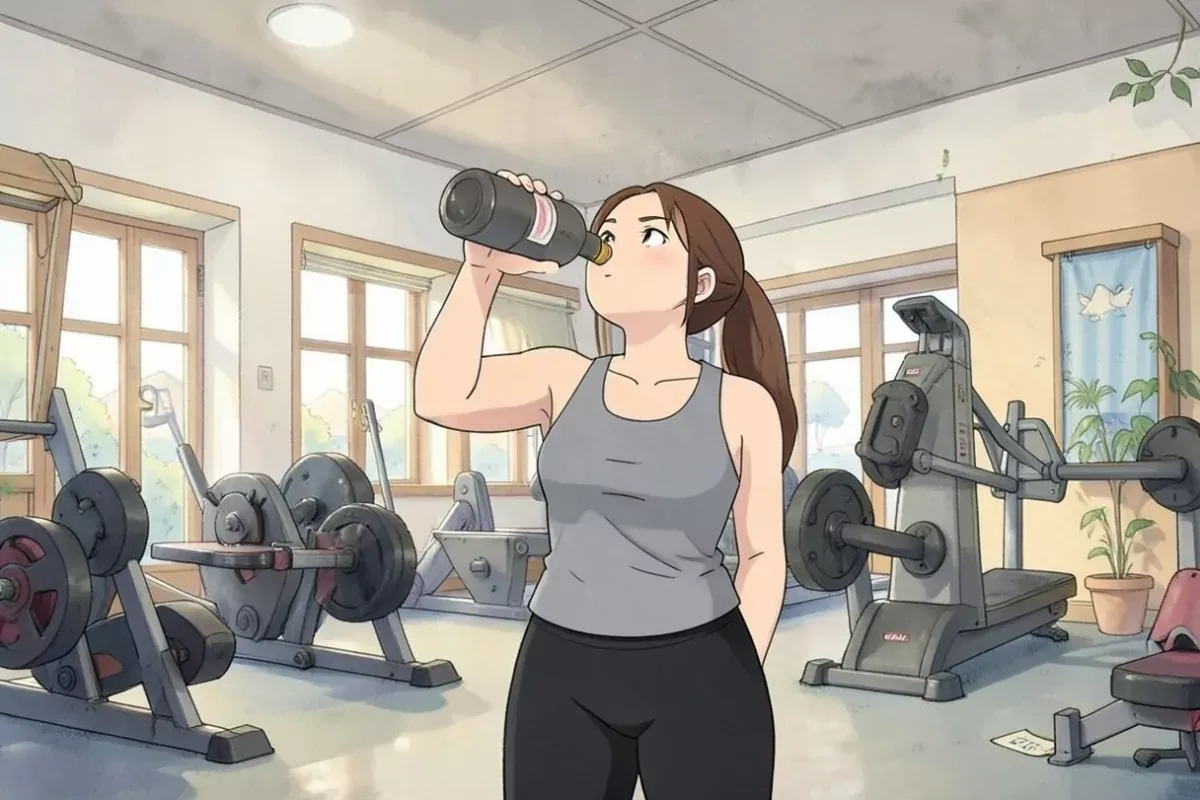
Endurance athletes training past the 60 to 90 minute mark, whether that’s running, cycling, or swimming, are the clearest use case, since they’re genuinely depleting glycogen and fluid at a rate that plain water and pre-workout nutrition can’t fully offset. High-volume lifters doing extended sessions, multiple hours of training blocks, or two-a-day training also fall into this category.
People training in hot, humid conditions with heavy sweat loss benefit from the electrolyte component specifically, since sweat rate rather than duration is the driving factor there. For a typical 45-minute session in a climate-controlled gym, most lifters simply don’t fall into any of these categories.
Common Mistakes People Make
Using a full intra-workout product for short, everyday sessions is the most common one, paying for calories your body doesn’t need. Making the drink too concentrated is another, since too much sugar or salt relative to water can slow digestion and cause discomfort mid-set. Drinking it all in the first 15 minutes rather than spreading it out is a third mistake, since that front-loads the fuel instead of sustaining you through the session.
If You’d Rather Buy Something Ready-Made
Commercial products aren’t necessary, but they’re a reasonable convenience if mixing your own isn’t appealing. Look for a real carbohydrate and electrolyte profile rather than trace amounts, and skip anything with proprietary blends that hide actual ingredient amounts.
The Bottom Line
Intra-workout drinks solve a real problem, but only for a specific kind of session, ones that are long, intense, or happening in hot conditions with heavy sweat loss. For a typical 45 to 60 minute strength session, plain water paired with sensible nutrition before and after covers what most people need. For longer or more demanding training, a simple homemade mix of water, a carbohydrate source, and a pinch of salt covers the fundamentals.
Frequently Asked Questions
Do I need an intra-workout drink for a normal gym session? For most sessions under 45 to 60 minutes, no. Plain water covers hydration adequately, and a reasonable pre-workout meal or snack typically provides enough glycogen and blood sugar to sustain a session that length. Intra-workout drinks become genuinely useful for longer endurance work, high-volume training blocks, or sessions with heavy sweat loss in hot conditions.
What’s the easiest homemade intra-workout drink? Water, a tablespoon of honey or maple syrup, and a pinch of salt in a 20 to 24 ounce bottle covers the basics, carbohydrate for energy and sodium for electrolyte replacement, without needing any specialty ingredients or powders.
How is an intra-workout drink different from a pre-workout drink? A pre-workout drink is consumed 30 to 60 minutes before training to prime energy and focus for the session ahead. An intra-workout drink is sipped gradually during the session itself to sustain that energy and hydration through a longer or more demanding workout, rather than loading everything in beforehand.
Do I need amino acids in my intra-workout drink? For sessions under 90 minutes, not really, since you’re unlikely to be in a meaningfully catabolic state that quickly. Amino acids matter more for longer endurance sessions or fasted training specifically, where reducing muscle protein breakdown during an extended session becomes more relevant.
How much intra-workout drink should I have during a workout? For a 60 to 90 minute session, 16 to 24 ounces is a reasonable default for most people, sipped steadily starting about 10 to 15 minutes in rather than consumed all at once. Adjust upward for hot environments or heavy sweating, and downward for shorter or lower-intensity sessions.
Keep reading: for the full picture of what to drink before and after training, our guides on pre-workout drinks at home and post-workout recovery drinks cover the other two pieces of the puzzle. If you want the specifics on one pre-workout ingredient with real research behind it, see beet juice before a workout, and for the concentrated post-session format, our take on recovery shots.
Follow us on Facebook, TikTok, YouTube, and Pinterest for more no-nonsense fitness tips.
Evandro
Evandro is the founder of The Fitness Road. He believes that without physical activity there is no real health, and without health, there is no lasting discipline in any other area of life.
Leave a Reply
Your email address will not be published. Required fields are marked *