
Green Tea for Weight Loss: Minor and Inconsistent Effects

Green tea shows up on nearly every list of fat-burning foods and drinks, usually wrapped in bold promises about melting belly fat and revving up your metabolism overnight. Here is the honest version. Green tea for weight loss can play a small, genuinely real supporting role, but it is nowhere near the metabolism-torching miracle the marketing makes it out to be, and understanding exactly what it can and cannot do will save you a lot of disappointment.
This guide breaks down what the research actually shows, how green tea might help, how much to drink, the best way to brew it, the safety points that matter, and where it realistically fits in a plan that actually works.
What Green Tea Actually Is
Green tea comes from the exact same plant as black tea and oolong tea, a shrub called Camellia sinensis. The difference is entirely in the processing. Green tea leaves are quickly steamed or pan-fired after harvesting to stop oxidation, which preserves more of their natural compounds and gives green tea its lighter color and fresher, more vegetal taste compared to fully oxidized black tea.
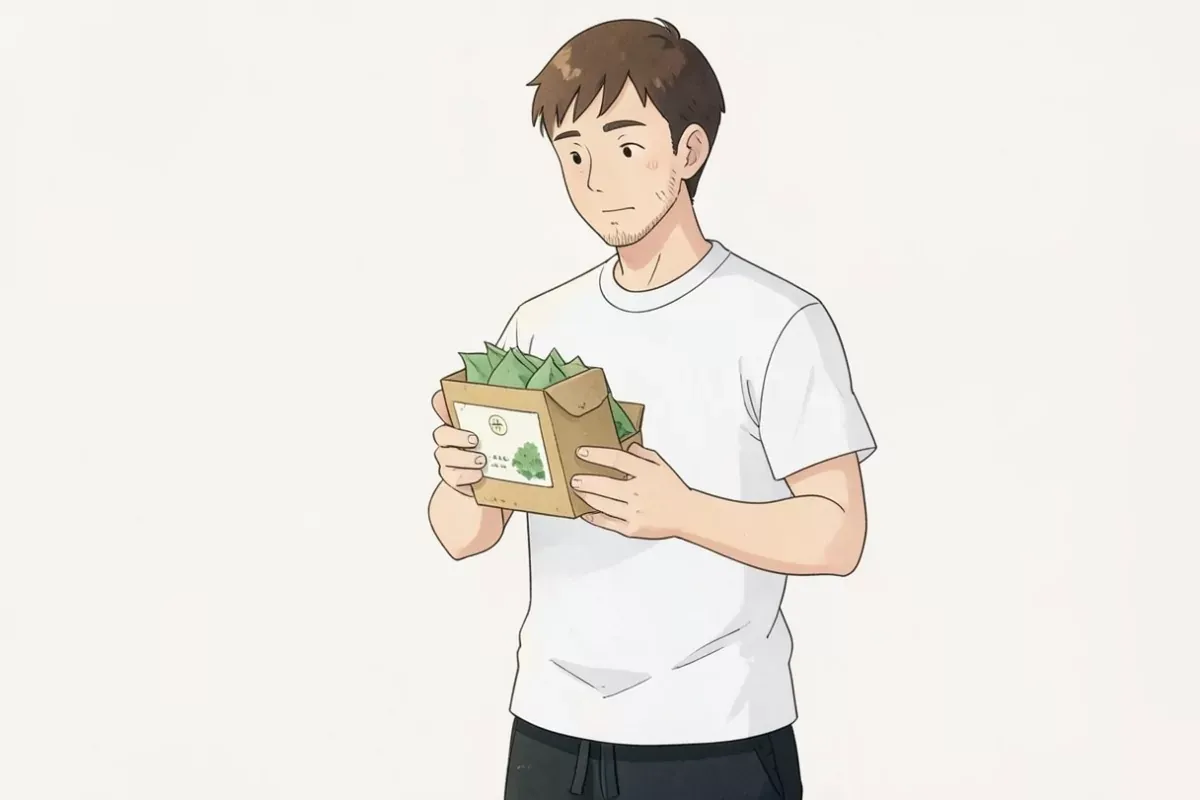
That minimal processing is exactly why green tea for weight loss keeps coming up as a topic worth taking seriously. It keeps a high concentration of plant compounds called catechins, especially one with a long name usually shortened to EGCG. Green tea also naturally contains caffeine, though less than coffee. It is the combination of these catechins and caffeine, not any single magic ingredient, that most of the weight loss claims are built around.
Does Green Tea for Weight Loss Actually Work?
Here is where honesty matters more than the hype on the label. Green tea does have a measurable effect on some of the processes involved in fat loss, but the real-world impact on the scale is small, and it only shows up alongside an actual diet and activity plan.
The research is genuinely mixed. Some controlled studies have found that green tea or its extracts produce a small amount of weight loss in people who are overweight, while others find essentially no significant difference. According to a review from Medical News Today, green tea does not cause significant weight loss in adults with obesity or overweight, and any effect is likely to be very small compared to proven methods like exercise and portion control. A 2023 meta-analysis echoed this, describing the results across studies as inconsistent.
So the fair takeaway is this: green tea might give you a small nudge, mostly by slightly raising your calorie burn and fat oxidation, but it is a minor helper, not the engine of weight loss. Anyone promising you a flat stomach from a few cups of tea is overselling it.
How Green Tea Might Help (The Realistic Mechanisms)
The modest benefits people do see from green tea for weight loss come from a few plausible mechanisms, none of which are dramatic on their own.
First, the caffeine provides a mild, well-documented boost to metabolic rate and can slightly increase the number of calories you burn at rest for a few hours. This is the same basic effect coffee has, just gentler because green tea contains less caffeine per cup.
Second, the catechins, especially EGCG, appear to work together with caffeine to modestly increase fat oxidation, meaning your body burns a slightly higher proportion of fat for fuel. Some research suggests this effect is a little stronger during exercise, which is part of why green tea is often taken before a workout.
Third, green tea is a nearly calorie-free, flavorful drink. If a warm, satisfying cup of green tea replaces a sugary soda, a sweetened latte, or a fruit juice, you have just cut real calories from your day without feeling deprived. This displacement effect is unglamorous, but it is often the most practically useful thing green tea does for weight loss.
Finally, the small ritual of brewing and slowly drinking a hot cup of tea can serve as a mindful pause, something that helps some people avoid mindless snacking between meals. It is not a chemical effect, but it is a real behavioral one.

Green Tea for Weight Loss at a Glance
| Question | The honest answer |
|---|---|
| Does it work? | A little, on top of a real diet, the effect on the scale is small |
| How much? | About 2 to 3 cups per day, roughly 240 to 480 mg of catechins |
| Best time? | Between meals or before a workout, avoid late at night |
| Does it burn belly fat? | No, it does not target any specific area |
| Biggest risk | Too much caffeine, and liver risk from concentrated extract pills |
| Realistic role | A small, healthy helper, never the main strategy |
Keep this table in mind as a reality check whenever you see a green tea product promising dramatic, fast fat loss. If a claim doesn’t match this, it’s marketing.
How Much Green Tea to Drink for Weight Loss
If you have decided to try green tea for weight loss, dose is the first practical question. The amount used in most research showing any effect works out to roughly 2 to 3 cups of brewed green tea per day. That delivers somewhere around 240 to 480 milligrams of catechins, which is the range where studies tend to see the small metabolic effects.
More is not better here. Drinking large amounts of green tea does not accelerate weight loss, and it dramatically raises your total caffeine intake, which can cause jitteriness, anxiety, a racing heart, and disrupted sleep. If you are sensitive to caffeine, even 3 cups spread through the day may be too much, and switching to a decaffeinated green tea, which still contains catechins, is a reasonable option.
Spread your cups through the day rather than drinking them all at once, and treat that 2 to 3 cup range as a sensible ceiling, not a target to keep pushing past.
The Best Way to Brew Green Tea
How you brew your green tea genuinely affects both the taste and how much of the beneficial compounds end up in your cup, and most people accidentally ruin it with water that is too hot.
Use water that is hot but not boiling. Green tea is delicate, and water at a full rolling boil scorches the leaves, producing a bitter, astringent cup. Aim for water around 160 to 180 degrees Fahrenheit, which is roughly boiling water left to cool for a minute or two.
Steep for the right amount of time. Two to three minutes is the sweet spot for most green teas. Steeping too long pulls out excess tannins and makes the tea harsh, while too short a steep leaves much of the flavor and catechin content behind.
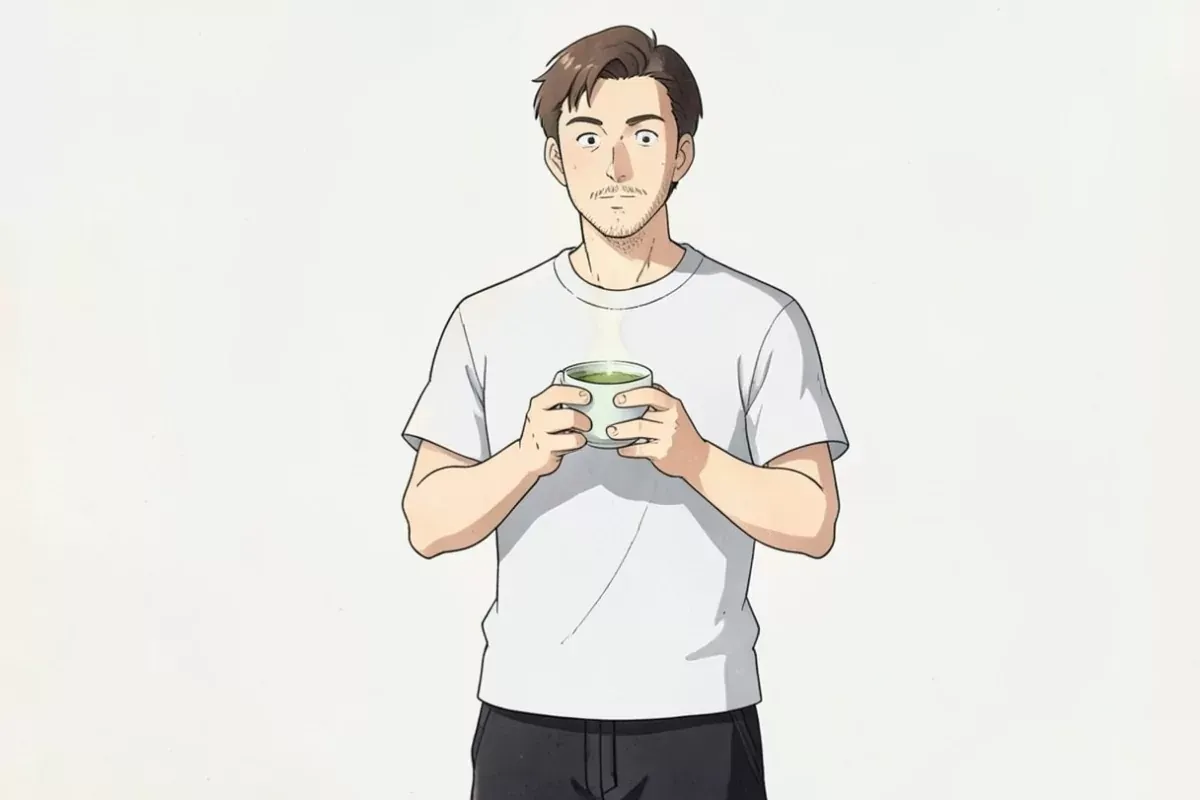
Skip the sugar. Adding sugar, honey, or sweetened syrups undoes the whole point if weight loss is your goal, since it adds back the exact calories you are trying to avoid. If you find plain green tea too bitter, a squeeze of lemon can brighten it, and lemon may even help your body absorb the catechins better.
Loose-leaf green tea generally offers better flavor and quality than the dust found in many cheap tea bags, but any real green tea will deliver the catechins. Consistency matters more than chasing an expensive premium brand.

Green Tea vs Green Tea Extract Pills
This distinction genuinely matters for your safety, not just your results. Brewed green tea and concentrated green tea extract supplements are not the same thing, and the pills carry real risks the cup does not.
Green tea extract capsules deliver a much larger, concentrated dose of catechins than you would ever get from drinking tea. In rare but documented cases, high-dose green tea extract supplements have been linked to liver damage, which is why several health agencies have flagged concerns about them. The dose in a few cups of brewed tea has an excellent safety record, but the megadoses in some fat-burner pills do not.
The research suggesting any weight loss benefit was mostly done using brewed tea or moderate extract doses, so you gain essentially nothing by jumping to high-dose pills, while taking on a genuine, if small, health risk. If you want the potential benefits of green tea, the brewed cup is both the safer and the better-supported choice.
The Safety Points You Should Not Skip
Green tea is very safe for most people when consumed as a normal drink, but a few real considerations are worth knowing.
Mind your total caffeine. Green tea contains caffeine, and if you are already drinking coffee, energy drinks, or other caffeinated beverages, several cups of green tea on top can push you past a comfortable daily limit. Watch for jitteriness, anxiety, and sleep problems as signs you are getting too much.
Be careful on an empty stomach. For some people, green tea on a completely empty stomach causes nausea or stomach discomfort, partly due to the tannins. If that is you, have it with or shortly after a meal instead.
Watch for medication interactions. Green tea can interact with certain medications, including some blood thinners and stimulant drugs. It can also reduce the absorption of iron from plant foods, so if you have low iron, avoid drinking it right alongside your meals. If you take regular medication, it is worth a quick check with your doctor.
Avoid the high-dose extracts. As covered above, the concentrated extract pills are where the rare but serious liver concerns show up. Stick to brewed tea and you sidestep that risk almost entirely.
Where Green Tea Actually Fits in a Weight Loss Plan
Here is the honest framing that will keep your expectations realistic. Green tea for weight loss is, at absolute best, a small supporting player. It is a helpful habit, not a strategy.
The things that actually drive weight loss are the same unglamorous fundamentals every time: a modest calorie deficit, enough protein, plenty of vegetables and fiber, regular movement, decent sleep, and managing stress. If those foundations are not in place, no amount of green tea will produce a visible change.
If your foundations are solid and you enjoy it, a few daily cups of green tea are a genuinely reasonable, nearly free, and healthy addition. It might give you a small metabolic nudge, it replaces worse drinks, and the ritual can support mindful eating. Just go in treating it as one small habit among many, not the centerpiece of your plan.
Common Mistakes People Make With Green Tea
The biggest mistake by far is expecting dramatic results and quitting in frustration when the scale barely moves, because the honest effect was always going to be small. A close second is loading the tea up with sugar or honey, which adds back the exact calories you are trying to cut and cancels out the point entirely.
A third mistake is jumping to high-dose extract pills chasing a stronger effect, which trades a tiny potential benefit for a real, if rare, liver risk, and misses the point of green tea for weight loss being a gentle, low-risk habit in the first place. A fourth is drinking so much green tea that the caffeine wrecks their sleep, not realizing that poor sleep itself works against weight loss. And a fifth is treating the tea as permission to ignore the actual fundamentals, as if a few cups cancel out a day of poor eating. They do not.
A Simple, Safe Daily Routine
If you want a realistic starting point, here it is. Drink 2 to 3 cups of green tea per day, brewed with hot-not-boiling water for 2 to 3 minutes, with no added sugar. Have one cup between breakfast and lunch and another before a workout or in the early afternoon, keeping the last cup well before bedtime if caffeine affects your sleep. Pair it with a genuine focus on protein, vegetables, movement, and sleep, and treat the tea as a pleasant, healthy bonus rather than the thing doing the work.
That is the entire honest playbook. No fat-burner pills, no mega-doses, no miracle claims, just a small, safe, enjoyable habit that might help a little on top of the things that actually matter.
Frequently Asked Questions
How much green tea should I drink per day for weight loss? Most research showing any effect used the equivalent of about 2 to 3 cups of brewed green tea per day, delivering roughly 240 to 480 mg of catechins. More than that offers little extra benefit and raises the risk of side effects from too much caffeine, especially if you are sensitive to it.
Does green tea actually burn belly fat? Not specifically. Green tea does not target belly fat, and no food or drink can. It may slightly increase overall fat oxidation and calorie burn, but the effect is small and only meaningful alongside a calorie-controlled diet and regular activity.
When is the best time to drink green tea for weight loss? Many people drink it before a workout or between meals, since the caffeine and catechins may modestly support fat oxidation and give a small energy lift. Avoid drinking it late in the evening if caffeine affects your sleep, and avoid it on a completely empty stomach if it upsets your digestion.
Is it better to drink green tea or take green tea extract pills? Brewed green tea is the safer choice. Concentrated green tea extract supplements have been linked in rare cases to liver problems because they deliver a much larger, unregulated dose of catechins. The research on weight loss was mostly done on brewed tea or moderate extract doses, so the cup is both safer and better supported.
The Bottom Line
Green tea for weight loss is neither a miracle nor a scam. It is a small, plausible helper that can give a modest nudge to your metabolism and fat oxidation when used correctly, backed by research showing only minor, inconsistent effects, and only alongside a real diet. Brew it properly, skip the sugar, keep it to a few cups a day, stay away from the high-dose extract pills, and never let it distract you from the fundamentals that actually do the heavy lifting.
References
Two things worth anchoring before any specific diet approach: weight loss runs on an energy deficit, and a realistic first target is around 5% of bodyweight over six months.
- National Institute of Diabetes and Digestive and Kidney Diseases (NIH). Treatment for Overweight and Obesity — losing 5% of bodyweight over 6 months is a reasonable initial goal. NIDDK
- U.S. Department of Health and Human Services. Physical Activity Guidelines for Americans, 2nd edition — 150–300 minutes of moderate activity per week. health.gov
Keep reading: if you like the idea of simple drinks that support your goals, our guides to tea recipes for weight loss and detox water for weight loss are worth a look, along with our honest review of apple cider vinegar for weight loss. And for the fundamentals that actually move the needle, start with our scientifically proven ways to lose weight.
Follow us on Facebook, TikTok, YouTube, and Pinterest for more no-nonsense fitness tips.
Evandro
Evandro is the founder of The Fitness Road. He believes that without physical activity there is no real health, and without health, there is no lasting discipline in any other area of life.
Leave a Reply
Your email address will not be published. Required fields are marked *